Ready to help treat your pet to a healthy life?
A Guide to the First 48 Hours with a New Puppy
By : Nikki Edwards | Updated Feb 2, 2026
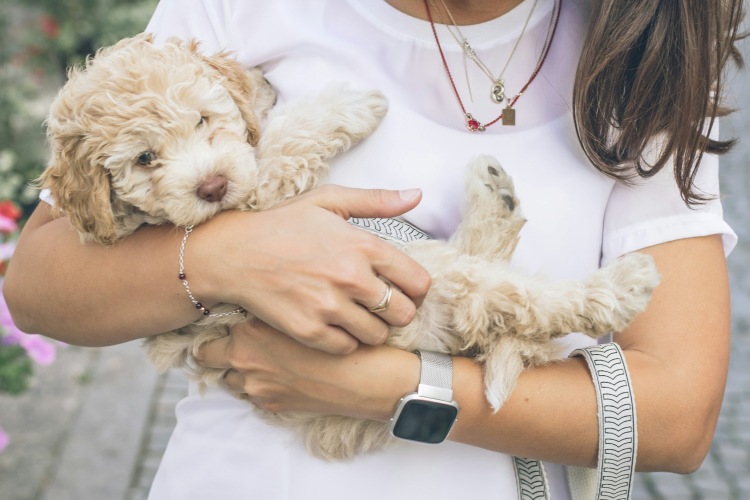
The first 48 hours with a new puppy are an exciting time for your family, but they also come with unique challenges that must be navigated correctly. Whether you are a seasoned pet parent or a brand-new puppy owner, every puppy brings a unique experience. These first two days are crucial for setting the tone for a smooth transition and establishing the foundation of a strong pet-human bond, so it's important to know what to expect.
As with any new situation, your puppy is likely to react differently upon meeting people, places, and things, though the first two days in a new home can be particularly overwhelming.
Preparing your home for a new puppy
Little puppies are curious and love to explore, especially in a new space. Before you bring your newest family member home (or as soon as possible after), set up the right environment:
Must-have supplies
Make sure you have these critical items:
- Leash and collar/puppy-sized harness: Fit properly and ID tag attached.
- Food and water bowls: Use stainless steel or ceramic; easy to sanitize.
- Safe toys: Choose toys appropriate for their size and chewing strength; avoid small parts that can be swallowed.
- Puppy-formulated dog food: Continue with the diet the breeder/shelter used for at least the first week to avoid tummy upset.
- Comfortable bed: Washable and placed in a quiet spot.
- Dog crate: Sized to allow standing, turning, and lying down—key for safe sleeping and house training.
- Poop bags and enzymatic cleaner: For accident clean-up.
- Chew deterrent spray: For furniture or cords, if needed.
- Grooming tools: Puppy brush, gentle shampoo, nail clippers.
Discover what other new puppy supplies you may need.
Puppy-proofing your space
Puppies are masters at finding trouble! Here’s a thorough checklist:
- Secure electrical cords with covers and clips; use deterrent sprays if needed.
- Keep toilet lids down and trash cans secured or inside closed cabinets.
- Remove small, loose objects from accessible areas.
- Block off tight spaces behind appliances or under furniture.
- Use pet/baby gates to restrict access to safe zones; staircases should be blocked for now.
- Place houseplants out of reach. Many are toxic if chewed.
- Lock away cleaning products, medications, and chemicals.
- Designate a cozy, safe retreat space (like a crate or playpen).
- Set up an at-home pet first-aid kit with basics: gauze, bandages, saline, tweezers, and emergency vet numbers.
Establishing house rules
Consistency is key! Go over these rules with everyone in your home:
- Never leave the puppy unattended (inside or outside).
- Keep the puppy in safe zones until ready to explore more.
- Clean up after every activity and don’t leave things out.
- No outside time off-leash.
- No people food or table scraps.
- Clean up accidents right away and take the puppy outside at the first sign of needing to go.
- Set feeding and potty schedules, and assign responsibilities for walks, play, and clean-up.
- Decide if the puppy is allowed on furniture as consistency prevents confusion.
Day 1: Puppy arrival & settling in
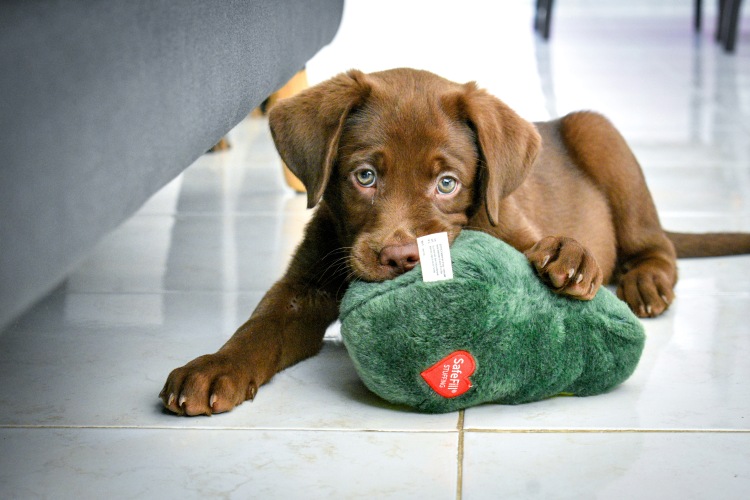
Homecoming
- Introduce your puppy gradually to your home—start with one room, letting them sniff and explore.
- Let them come to you: Allow the puppy to approach at their own pace. Get low to the ground, offer a hand to sniff, and use gentle voices.
- Minimize stress: Keep lights and noise low. Avoid overwhelming your puppy with too many people or activities.
First introductions to family
- Calm, gentle greetings: Have adults and children sit on the floor and let the puppy come to them. Teach children to be quiet and gentle.
- Supervise all interactions, especially with young kids.
Meeting other pets
- Wait on direct introductions if your puppy hasn’t received initial vaccinations. Puppies are at risk for serious diseases until their vaccine series is complete (often at 16 weeks). Instead:
- Swap scents: Rub a blanket or toy on your resident pet and give it to the puppy, and vice versa.
- Let pets see each other through a gate or crate but hold off on face-to-face meetings.
- Wait for your veterinarian’s go-ahead before true introductions.
Meals & potty
- Offer a small meal: Use the same food and feeding schedule as their previous home. Puppies may not eat much the first day due to stress.
- Provide fresh water at all times.
- Frequent potty breaks: Take your puppy out after eating, drinking, playing, waking up, and every 1–2 hours during the day. Praise successes with treats or happy voices.
The first night
- Crate or safe pen: Place near your bed so your puppy can hear and smell you, helping them feel secure.
- Expect some crying: This is normal as your puppy adjusts. Briefly reassure them but avoid giving too much attention after bedtime.
- Middle-of-the-night potty trips: Most puppies can’t hold their bladder overnight. Set an alarm or listen for signs of restlessness.
Early signs to watch
- Monitor for signs of excessive fear, vomiting, diarrhea, or refusal to eat/drink—these can be early indications of stress or illness.
Day 2: Building comfort & routine

Routine
- Stick to a consistent schedule: Feed, potty, play, and nap at the same times each day. Predictability helps puppies feel secure.
- Continue gentle exploration: Let your puppy explore a little more of your home, always supervised.
- Short, positive training sessions: Practice basic commands like “sit” and “come” for a few minutes at a time. Use tiny treats and lots of praise.
Socialization
- Expose your puppy to household noises and activities: TV, vacuum, doorbell, etc.
- Take short car rides (in a secure crate) to get them used to travel.
- Meet new people one or two at a time, in a calm environment—never force interactions.
Vet care
- Book your puppy’s first vet appointment within the first 2–3 days. Bring all health records and a list of any questions.
- Discuss vaccinations, deworming, flea/tick, and microchipping with your vet.
- Ask about when it’s safe to begin puppy classes or meet other dogs.
Ongoing monitoring
- Watch for any changes in behavior, appetite, or elimination. Puppies can deteriorate quickly if ill; don’t hesitate to call your vet with concerns.
Common puppy issues to watch for
Your puppy’s behavior and health may fluctuate as they adjust. Here are normal and abnormal signs to monitor:
- Not eating: Some puppies skip a meal or eat less due to stress. If your puppy refuses food for more than 12–24 hours or seems weak, call your vet.
- Excessive crying/whining: Some whimpering, especially at night, is expected. Persistent or intense crying, especially if combined with lethargy or distress, warrants a vet visit.
- Diarrhea: Mild, short-term soft stools can result from stress or a new environment. If diarrhea is watery, bloody, or lasts more than a day—or comes with vomiting or lethargy—see your vet.
- Vomiting: Occasional spit-up is common, but repeated vomiting or vomiting with lethargy is an emergency.
- Lethargy/weakness: Puppies should be playful and alert between naps. If your puppy is limp, very sleepy, or unresponsive, call your vet immediately.
- Coughing, sneezing, or trouble breathing: These can signal infection and require prompt veterinary care.
- Swollen or painful belly: Call your vet; this can indicate a serious problem.
- Difficulty peeing or pooping: Straining, crying, or no output for several hours is abnormal.
If you notice any of the above, or if your puppy is coughing, sneezing, has trouble breathing, or develops a swollen belly, see your veterinarian immediately.
Frequently asked puppy questions
How often should I take my puppy out to potty?
Take your puppy out every 1–2 hours during the day, as well as after meals, play, and naps. Most puppies can hold their bladder for about one hour per month of age, up to about 4–5 hours max. Frequent trips prevent accidents and reinforce good habits.
How much should my puppy eat on day one?
Feed the same food and portions they were eating before coming home (ask the breeder/shelter for details). Usually, this is 3–4 small meals spaced throughout the day. Do not overfeed and avoid sudden food changes to prevent stomach upset.
How do I handle crate crying at night?
It’s normal for puppies to cry as they adjust. Place the crate near your bed so your puppy can hear and smell you. Ensure their needs are met (potty, hunger, comfort). Briefly reassure them with a calm voice or gentle touch but avoid taking them out for cuddles unless they need to potty. With consistency, most puppies settle within a few nights.
Where should my puppy sleep the first night?
The best place is in a crate or secure pen in your bedroom or in a quiet area nearby. This helps your puppy feel safe and lets you respond quickly to their needs during the night. Avoid letting your puppy sleep in your bed initially; this can make future crate training harder.
Is diarrhea normal after bringing a puppy home?
Mild, short-term diarrhea can occur due to stress or diet change. Make sure your puppy is drinking water and seems otherwise well. If diarrhea is severe, lasts more than a day, or is accompanied by vomiting, lethargy, or blood, contact your vet immediately.
When should I book the first vet visit?
Ideally, book your puppy’s first vet appointment within 2–3 days of bringing them home—even if they appear healthy. This ensures they’re up to date on vaccines, deworming, and gives you a chance to discuss ongoing care and ask questions about diet, training, and health.
In addition to finding a veterinarian for your new puppy, you'll also want to sign up for dog health insurance as soon as possible. Doing so will decrease the likelihood of having pre-existing conditions that are not covered, setting your pet up for a lifetime of quality healthcare.
Puppy tips for a smooth transition
- Patience is key: Puppies need time to learn new routines and build trust.
- Stick to routines: Predictable schedules help puppies feel safe.
- Positive reinforcement: Reward good behavior with treats, praise, and attention.
- Supervise constantly: Puppies can get into trouble in an instant.
- Document everything: Keep a record of eating, drinking, potty habits, and any concerns for your vet.
- Share responsibilities: Make sure all family members are on the same page about rules and routines.
Final thoughts
The first 48 hours are a big adjustment for both you and your puppy. Be patient, keep routines simple, and focus on building trust. If you have any concerns about your puppy’s health or behavior, call your veterinarian—early intervention is always best. With preparation and care, your puppy will be well on their way to a happy, healthy life in their new home.
For more tips on supplies, puppy-proofing, and common mistakes to avoid, check out our additional resources and don’t forget to subscribe to our newsletter for ongoing pet parenting advice!
This guide is reviewed by veterinarians for accuracy but is not a substitute for professional diagnosis and treatment. Always consult your own vet for advice tailored to your puppy’s needs.
Pet Parenting is the official dog and cat blog of Trupanion, a leader in the world of pet insurance. Here you’ll find useful dog and cat care tips, important veterinary insights, and an abundance of pet lifestyle topics. All of our articles are written by real humans with a love for pets, not AI. However, please note that the views expressed here are those of the individual authors and do not necessarily reflect those of Trupanion. Articles are reviewed by veterinarians for accuracy, but they are not a substitute for professional diagnosis and treatment. Always consult with your own pet’s veterinarian for advice.