Ready to help treat your pet to a healthy life?
What Pet Parents Should Know About Raw Diets
By : Kathleen Crampton | Published Dec 18, 2025
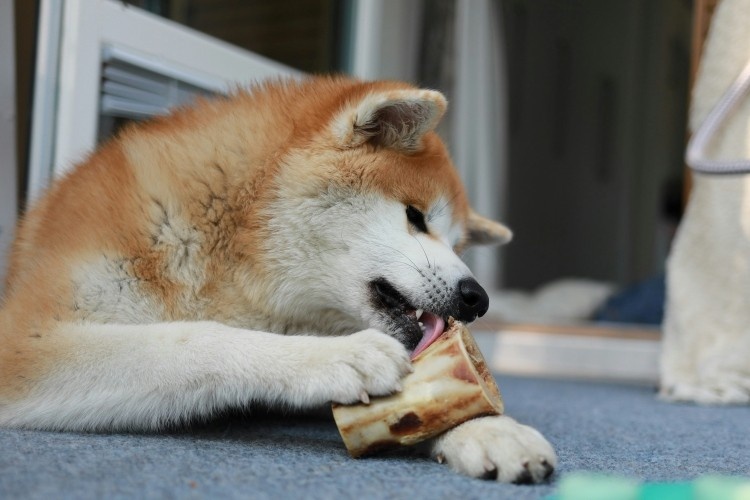
As a loving pet parent, you want only the best for your dog or cat, from their cozy sleeping place to their special toys that keep them entertained and out of mischief. But this also extends to the food they eat. Your pet's nutrition is likely one of your highest priorities—and for good reason! Diet is one of the most important factors in the health of your furry pal. As you've researched what to feed your pet, you've likely come across a popular trend called "raw diet." But what exactly is this type of diet, and should your dog or cat take part?
To help with your decision-making, we want to shed light on this growing trend. Discover more about this type of food, its potential benefits and risks, and expert perspectives—so that you can ensure that your pet stays well-fed, healthy, and happy.
What is a raw pet food diet?
A raw pet food diet (sometimes called raw food diet or raw meat-based diet) consists of mostly raw meat, including muscle, organ, and bone, and other ingredients, like fish, unpasteurized dairy products, eggs, fruit, and vegetables.
The idea behind the raw pet food diet is to provide dogs and cats with all-natural, preservative-free, minimally-processed food and mirror how they used to eat before becoming domesticated. This type of uncooked diet serves as a contrast to most commercial pet food products, omitting preservatives, artificial flavors and colors; free of pesticides, antibiotics, and fertilizers; and undergoing no or minimal processing. Raw pet food components vary, with some containing only meat and some containing added vitamins and minerals or even grains to provide a more complete meal.
Raw pet food is either made at home or purchased from one of many brands in the natural pet food space, who sell it frozen, freeze-dried, or fresh.
Why some pet owners swear by raw

The raw food diet for pets has become more popular as pet parents have begun subscribing to certain health trends in their own lives. Pets are part of the family, so it's understandable that many dog and cat owners want their little furry companions to have meals that are all natural, less processed, and high quality. Here are some of the reasons why pet owners decide to incorporate a raw pet food diet:
- Focusing on whole foods versus food parts
- Supporting the wild, carnivorous nature of dogs and cats
- Prioritizing the pet "ancestral diet," which consists of mostly uncooked meat, offal, fruits, and vegetables as well as few carbohydrates—to mimic how they eat in nature
- Distrusting commercially available pet food products due to a variety of factors, such as seemingly unnecessary additives, or unrecognizable ingredients
- Seeking more sustainability in the sourcing and manufacturing
The pros and cons of raw feeding
As with many diets in both the human and pet world, the raw food diet comes with both its cheerleaders and its naysayers, touting amazing benefits or purported risks. Let's break down the potential upsides and downsides of this type of diet.
Raw pet diet benefits
- May provide more protein than commercial pet food
- May have anti-inflammatory effects
- Fewer preservatives, additives, antibiotics, artificial flavors and colors, and pesticides than some traditional pet food
- May aid in weight loss or weight maintenance
- May result in better digestibility and improved stool and coat quality (however, this evidence has been reported as largely anecdotal or hypothetical, often relying on pet owner feedback)
Raw pet diet risks
- May not provide a complete nutritional meal
- May introduce harmful microbes, disrupting the microbiome
- Introducing an imbalanced diet, either lower or higher in fat, protein, vitamins, and minerals
- Contamination from salmonella, listeria, and other harmful pathogens like E. coli, confirmed by various studies
- Exposure to infectious diseases, specifically avian influenza
- Foodborne germs can also expose humans
- Potential blockage or injury from whole bones or bone parts in the ingredients
What experts say about raw pet diets

Although the natural pet food market isn't showing any signs of slowing down, many veterinarians, pet pros, and other experts have shared concerns about the trend, highlighting that the risks of raw diets outweigh the purported benefits. Here are the main areas of concern for vets and health experts alike.
The risk of illness or infection is high
One of the biggest noted risks of a raw pet food diet is exposure to illness or infection from pathogens, such as salmonella, listeria, E. coli, and more. This is likely because raw pet food products do not go through heat processing, so the food stays largely in its natural state—but this can introduce more harmful bacteria to cats and dogs. Several past studies show that salmonella and E. coli were present in samples of raw dog food (both commercial and homemade) but not in samples of traditional dog food. This may put individuals who are immunocompromised at risk.
Additionally, avian flu exposure is a risk with raw food that includes chicken or cow products. The U.S. Food and Drug Administration in early 2025 shared a mandate for cat and dog food manufacturers to reanalyze their food safety plans, ensuring that the avian influenza virus is included as a "new known or reasonably foreseeable hazard." The County of Los Angeles Department of Public Health released an animal health alert in September 2025 regarding a confirmed case of avian flu in a cat that ate commercially produced raw pet food.
But some meats may carry fewer risks than others (such as wild animals vs. livestock and white meat vs. dark meat). One review of several studies recommends that pet parents opting for a raw diet choose products based on the meat species of origin.
May not meet a dog or cat's nutritional requirements
Experts also warn of potential nutritional imbalances with a raw dog or cat food diet. Some studies have provided evidence of excessive fat or proteins and mineral or vitamin imbalances, which can influence pets' overall health. This can be a particular problem with homemade pet food, as it may lack the nutritional analysis provided by many commercially available products.
Many raw pet food products only contain animal products and some vegetables and fruits. But pet professionals warn about the lack of carbohydrates in these offerings. While dogs and cats are able to live on a no-carb diet, carbs do play an important role in meeting their energy needs. Providing a well-rounded, complete meal is key for pet nutrition.
Pet parent tip: Not all commercially available pet food is well-balanced either, making it all the more important to consult your veterinarian and/or a board-certified veterinary nutritionist to determine the right food and diet to meet your pet's nutritional needs. You should also closely monitor your pet after a significant diet change.
Preservatives aren't always a bad thing
In response to pet owners choosing raw diets for their dog or cat over more traditionally prepared food, experts remind people that preservatives help to ensure pet food safety, and, in the United States, they are closely regulated by the FDA. What's more, studies have shown that the most common preservative in pet food, called BHA, actually serves as an antioxidant and even at its highest accepted levels of concentration in food is safe.
Making the safest choice for your pet’s diet
After all this, you may be wondering, "Is a raw diet good or bad for dogs and cats?" The thing is that it depends on a variety of factors, including your pet's health and any medical conditions they may have, the medical conditions of the human family members, your personal preferences for their diet, and, of course, your veterinarian's recommendations. It's important to weigh all the pros and cons of a raw pet diet and understand expert opinions before making a diet switch for your pet. Vet-approved pet diets are crucial for maintaining your dog or cat's health and meeting their nutritional needs. Every pet is unique, and your vet likely has a comprehensive view of their overall health, making them a wonderful resource to rely on.
Another way to ensure that your furry companion stays happy and healthy is getting pet insurance. Dog or cat insurance helps them receive the treatment they need for any unexpected illnesses or injuries, protecting your budget along the way. While Trupanion doesn't include raw food diets under food coverage benefits, raw diets don't affect eligibility for pet insurance, meaning that you can make the best decision for your pet without worrying about coverage.
Pet Parenting is the official dog and cat blog of Trupanion, a leader in the world of pet insurance. Here you’ll find useful dog and cat care tips, important veterinary insights, and an abundance of pet lifestyle topics. All of our articles are written by real humans with a love for pets, not AI. However, please note that the views expressed here are those of the individual authors and do not necessarily reflect those of Trupanion. Articles are reviewed by veterinarians for accuracy, but they are not a substitute for professional diagnosis and treatment. Always consult with your own pet’s veterinarian for advice.