Ready to help treat your pet to a healthy life?
Toy Poodle Dog Breed Guide
By : Kathleen Crampton | Published Dec 10, 2025
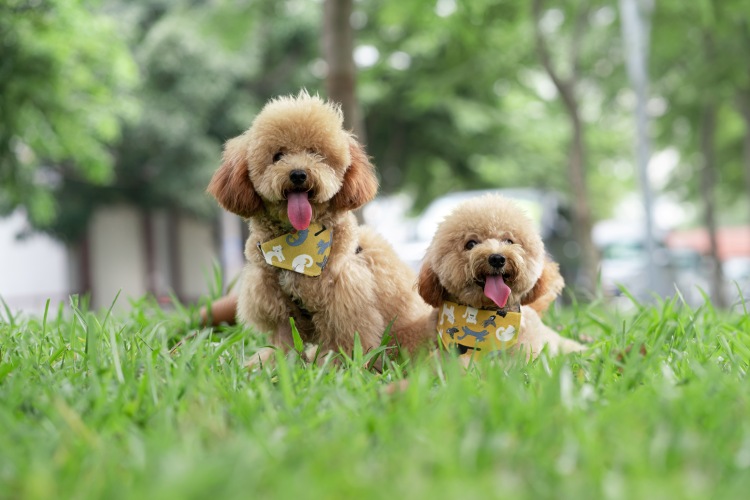
With their curly coats, fun hairdos, and big personalities, Toy Poodles deliver a lot of charm in such a small package. While many people automatically associate Poodles with professional dog shows, these pint-sized pups are more than just their coiffed, camera-ready look.
Toy Poodles are incredibly intelligent, eager to please, affectionate, and quite athletic, often surprising their pet parents and people who encounter them. In this Toy Poodle breed guide, uncover more fun facts and need-to-know details about this adorable dog breed, including their history, temperament, grooming needs, and potential health issues—and understand if the Toy Poodle is right for you.
Overview and history of the Toy Poodle
The Toy Poodle dog is a popular breed because of its tiny yet regal look, family-friendly personality, and low-shedding coat. Let's dive a little deeper into the Toy Poodle's background.
Toy Poodles are direct descendents of the Standard Poodle, a breed that has been around for at least 400 years, serving as a hunting and water dog throughout Europe. (Fun fact: Pudeln is a German word meaning "to splash in water.") To facilitate movement in the water but also keep their pets warm while swimming, owners of the Standard Poodle shaved their head, hips, legs, and tail while keeping the rest of their bodies coated.
But it's also believed that the European elite had a penchant for grooming their beloved Poodles' coats into pompoms, puffs, and an all-around flamboyant style to mirror the ruffles and wigs fashionable in Europe at the time.
In the late 1800s, the Miniature Poodle was bred, followed by the Toy Poodle in the United States in the early 1900s. Both varieties were developed for city-dwellers, as they are much smaller than the up to 70-pound (31.75 kilograms) Standard Poodle.
The American Kennel Club officially recognized the Poodle in 1887, and all three varieties fall within that breed category. The Poodle Club of America also recognizes Toy Poodles as a variety instead of its own separate breed.
Toy Poodle size, appearance, and coat
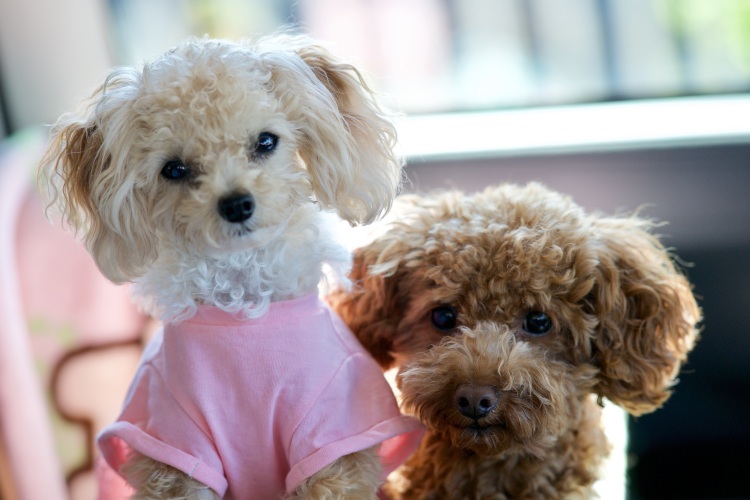
It's no coincidence that "toy" is in their name — Toy Poodles are quite small! Here are more details about their size and build:
- Height: Up to 10 inches (25.4 cm)
- Weight: 4–6 pounds (1.81–2.72 kg)
- Build: Lithe, athletic body, with sturdy front and hind legs
Toy Poodles always look like they're standing to attention, prepared for whatever adventure or training task that comes their way. They have a perky, high-set tail and sturdy hind legs that give this breed a "ready-to-go" look — and match their eager attitude.
While all Toy Poodles have a dense, curly coat, colors and markings vary greatly. You may see a white, apricot, black, cream, silver, or brown Toy Poodle, just to name a few. Many people wonder if this breed is hypoallergenic. While there isn't a 100% hypoallergenic dog breed, Toy Poodles are low-shedding, which means there may be potentially fewer allergens because they dispel less dander than their high-shedding canine counterparts.
Here's a look at how the Toy Poodle dog size compares to the Standard and Miniature Poodle varieties:
- Standard:
- Height: 22–27 inches (55.88–68.58 cm)
- Weight: 40–70 pounds (18.14–31.75 kg)
- Miniature:
- Height: 10–15 inches (25.4–38.1 cm)
- Weight: 10–15 pounds (4.53–6.8 kg)
Toy Poodle temperament and personality
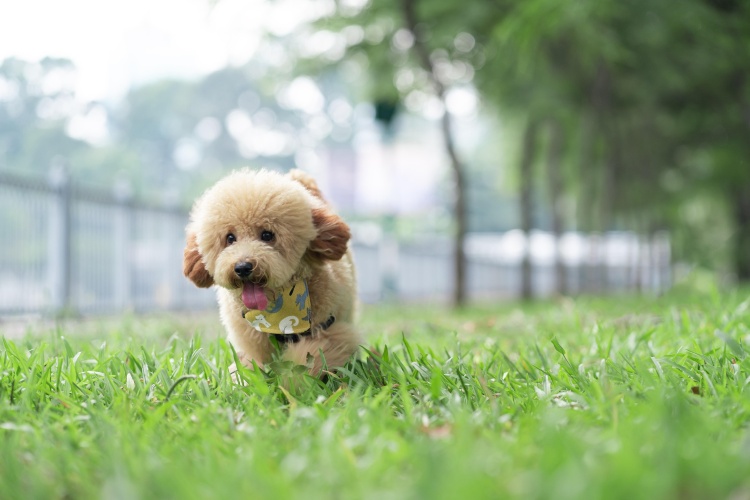
Despite their itty-bitty size, Toy Poodles have big personalities. They're the star of their own movie, needing near-constant attention and a platform to please or play with their pet parents. This breed is known to bark, whether that's because they're trying to vocalize their needs, are experiencing separation anxiety, or aren't mentally stimulated. Some pet parents of Toy Poodles might describe their pup as "yappy," but this behavior can be mitigated through training and by providing attention, tasks, and entertaining toys.
Balancing out their alert and attention-seeking attitudes is the Toy Poodle's deep affection for their family members and friendliness toward other people. They love giving and receiving all the love, from snuggling with their favorite human to nudging a nearby hand for pets.
Getting along with other dogs might not be their strong suit, but if they're socialized from a young age, Toy Poodles can hang with the rest of the canine crew.
Exercise and training needs
Toy Poodles are no couch potatoes. Many new pet parents of Toy Poodles are surprised by their extremely active lifestyle, which is why it's crucial to understand their activity and training requirements before bringing this breed home.
As far as exercise goes, Toy Poodles need at least one daily walk (or more, depending on whether they have access to a fenced-in yard where they can run around). This not only helps to keep them physically active and healthy but also serves as a way for them to get their energy out.
Toy Poodles also need adequate playtime, such as playing fetch, romping around at the dog park (just keep an eye out for safe play with bigger dogs), or training with tricks. The breed is highly trainable, always eager to impress their pet parents. They can easily learn all the standard obedience commands as well as fun tricks, such as spinning, holding a paw, and bowing.
Here are some ideas for keeping your Toy Poodle mentally stimulated and out of mischief:
- Create an agility course
- Give them a puzzle feeder or a Kong toy
- Play fetch indoors by rolling a ball or tossing a soft toy across the room
- Play hide-and-seek with different items
Toy Poodle grooming and maintenance
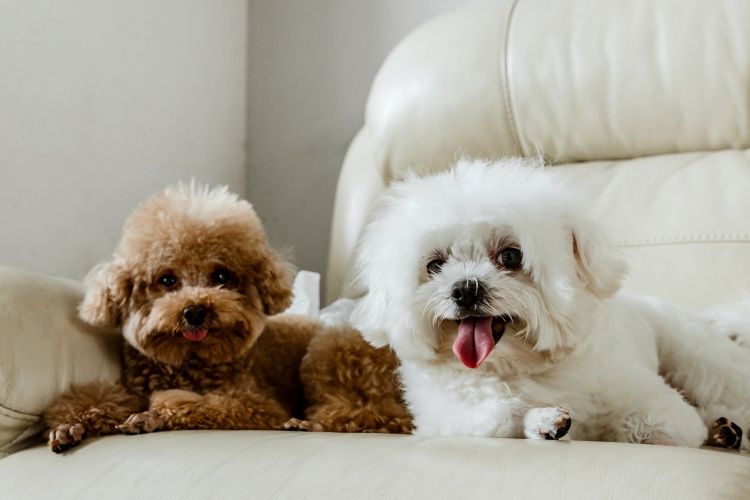
Keeping your tiny companion in tip-top shape means performing some routine Toy Poodle care.
Grooming
Frequent grooming is necessary for Toy Poodle dogs. Their curly, dense coats mean that fur can easily become matted without routine brushing and combing. Daily maintenance with a slicker brush and comb is ideal but at least three times per week may suffice. As you brush, check for matting around your dog's ears, at the collar, and under their legs, as these areas aren't as visible on the day-to-day.
It's also necessary to get your Toy Poodle professionally groomed every four to eight weeks. The groomer will give them a bath, detangle and cut out any mats, brush, and comb. They'll also give your Toy Poodle your preferred haircut. Here are some popular styles:
- Puppy Cut: The lowest-maintenance hairstyle, the Puppy Cut involves trimming fur to nearly the same short length across the body.
- Teddy Bear: With the Teddy Bear style, fur is trimmed to a slightly longer length than the Puppy Cut and rounded to look like a teddy bear.
- Continental Clip: This style is commonly seen in professional dog shows and features the traditional shaved face, legs, hips, and tail, with styled pompoms of fur.
- Dutch Clip: The Dutch Clip leaves your dog's coat longer and only shaves the face. It's also seen at some dog shows and, like the Continental Clip, isn't the easiest maintenance for the average Toy Poodle owner.
While you can learn how to groom your pup at home, leaving it to professionals can help to ensure your dog's safety and give you peace of mind that they'll be looking their best.
Dental care
Dental issues are common among toy breeds. The American Kennel Club explains that this is due to overcrowding of teeth in a very small space, creating hard-to-clean areas. Buildup of plaque and tartar can lead to periodontal disease. It's important to brush your Toy Poodle's teeth frequently (ideally daily) and work with your vet to create a dental cleaning plan.
Ear and eye care
Toy Poodles, like all Poodles, have long, floppy ears, which can make it easier to miss a potential ear infection. This is why it's important to check your pup's ears routinely to prevent ear infections, keeping an eye (and nose) out for any redness, odor, inflammation, or discharge. If you notice any of these signs or your pup seems to have ear sensitivity, take them to the vet for a checkup.
Additionally, due to the shape of their face, Toy Poodles are more prone to tear stains than other breeds. Pet parents can help prevent this by wiping their eyes with a vet-approved dog wipe or cloth, ensuring that the hair around their eyes is trimmed, and drying their face off if it gets wet.
Common health issues in Toy Poodles
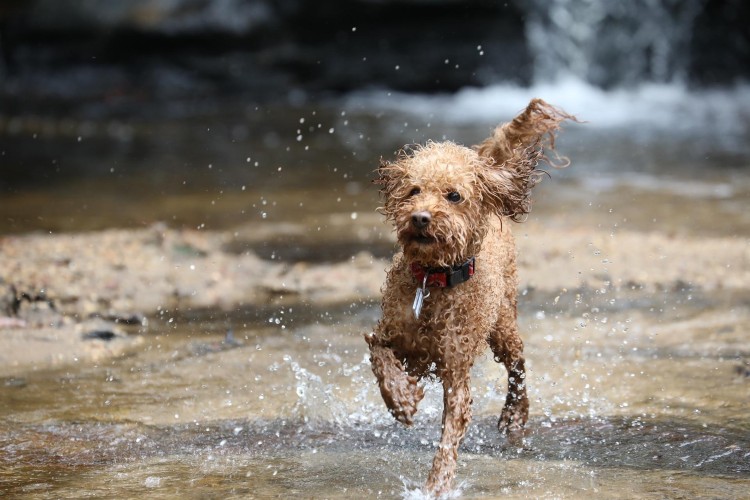
Toy Poodles can live long and happy lives — up to 18 years for some pups! But there are some common health concerns to be aware of for this breed. This list of Toy Poodle health issues is not included to cause alarm; in fact, many Toy Poodles will never experience these conditions. However, it's important for pet parents to know as much as possible about what may affect their pup.
Legg-Calve-Perthes
A hereditary condition in many small dog breeds, Legg-Calve-Perthes occurs when there's a lack of blood flow to the femoral head at the hip joint.
Patellar luxation
Patellar luxation is another phrase for kneecap dislocation. It's common among small dog breeds, like Toy Poodles, but can also occur in large breeds. This can be a mild issue, causing pups little to no pain, but can progress over time, leading to a skipping gait. Treatment may include medications, supplements, exercise restriction, or surgery in severe cases. Some dogs may not need any treatment if they're unsymptomatic or have grade 1 luxations.
Progressive retinal atrophy
According to Cornell University's College of Veterinary Medicine, Poodles are known to have a genetic predisposition to progressive retinal atrophy, a type of eye disease. It's typically not painful for dogs but can lead to blindness over a long period of time. Onset of this condition is usually in adulthood. If your pup has a confirmed diagnosis of progressive retinal atrophy, it can be helpful to not move furniture around too often, pair physical cues with vocal cues, and use a safety gate at the top of stairs.
Degenerative mitral valve disease
Toy Poodles, typically older dogs, are also prone to mitral valve disease, which involves the degradation of the heart's mitral valve. Treatments typically include medication.
Is a Toy Poodle right for you?

Understanding if a Toy Poodle is right for you depends on your lifestyle and preferences. For instance, many people wonder, "Are Toy Poodles good family dogs?" The answer is a resounding yes! Toy Poodles are great with young children, adore their family members, and love giving and receiving oodles of affection. That said, their deep bonds can lead to separation anxiety when left alone, but pet parents can mitigate this by following these tips for easing separation anxiety in dogs.
Toy Poodles do well with pet parents and families who can give them the attention, stimulation, and training they need to expel all their energy. This breed can be a wonderful addition to any home.
Pet insurance considerations for Toy Poodles
For Toy Poodles, pet insurance is crucial for helping them thrive throughout their life. Getting pet insurance as soon as you bring them home gives you the best chance of staying ahead of any medical conditions before they develop, as pre-existing conditions are typically not covered in insurance policies.
Trupanion provides pet insurance policies that help your Toy Poodle get the care they need without breaking the bank. We support pets from day one, giving pet parents peace of mind that their beloved pups can get recommended treatments for covered accidents, illnesses, and even breed-specific conditions.
Learn more about Trupanion dog insurance, and get a quote today.
Pet Parenting is the official dog and cat blog of Trupanion, a leader in the world of pet insurance. Here you’ll find useful dog and cat care tips, important veterinary insights, and an abundance of pet lifestyle topics. All of our articles are written by real humans with a love for pets, not AI. However, please note that the views expressed here are those of the individual authors and do not necessarily reflect those of Trupanion. Articles are reviewed by veterinarians for accuracy, but they are not a substitute for professional diagnosis and treatment. Always consult with your own pet’s veterinarian for advice.