Ready to help treat your pet to a healthy life?
Should You Adopt or Buy a Pet? A Practical Comparison
By : Kathleen Crampton | Published Feb 9, 2026
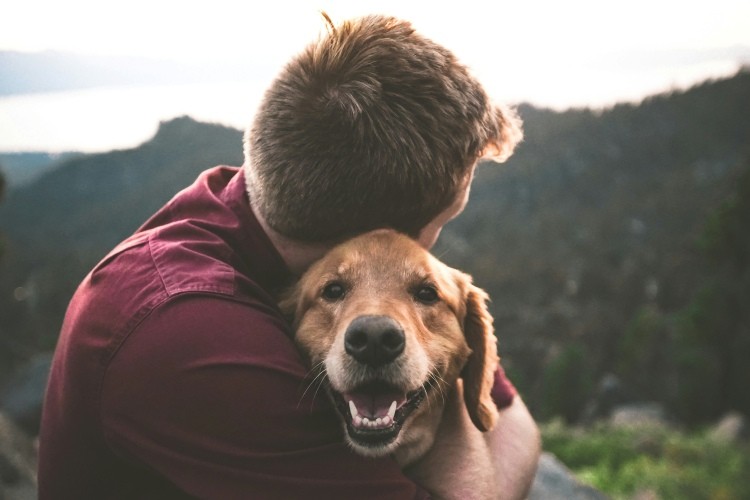
Whether you're a seasoned pet parent searching for your next four-legged friend or are simply curious about having a furry pal by your side, the question "Should I adopt or buy a dog or cat?" has likely popped up. With so many options at your fingertips, from shelters to private nonprofits to experienced breeders throughout the country, it can be difficult to know what the best choice is. The truth is—the decision of whether to adopt vs. buy a pet comes down to your preferences.
In this guide, gain insights into the benefits and potential downsides of each path—adoption vs. breeder—plus learn about the ins and outs of each process so that you can make the most informed decision.
Adopting a pet: Pros and cons
Choosing to adopt vs. buy a pet can have several potential benefits:
- Cost savings. In the United States, the average estimate for adopting a dog or cat is anywhere from $30 to $500, up to 10 times cheaper than buying from a breeder. Of course, the exact adoption cost may depend on your location, how long the animal has been in the shelter's care, the age of the dog or cat, and their breed.
- The potential for adopting trained pets. Many shelter animals have already been trained by their pet parents, who might have had to give them up for various reasons, whether financial or perhaps a change in living situation. They might be socialized, respond to common training cues, be potty trained, and could even know some fun tricks!
- Helping animal welfare and reducing overpopulation. Adopting a pet from a shelter means that you're rescuing them from potential euthanasia, which often happens when shelters are overpopulated (and due to other factors, like the age or medical condition of the animal). But adoption isn't just saving a life, it's bettering a life. An adopted pet has the chance to thrive in a safe environment, get necessary veterinary care they need, and avoid the health risks of living long-term in a crowded shelter environment.
- The feeling of doing something good. There's science behind that fuzzy feeling you have when you adopt a cat or dog in need. Acts of kindness can release oxytocin in the brain, giving you that loving, warm feeling, or what's sometimes called the "helper's high". You'll not only feel good—you'll also have a furry pal for life.
But adoption can have potential downsides:
- Some animals may have behavioral or health issues. With adopted pets, you often don't have insights into their background. Perhaps they've had a hard life or weren't trained well, resulting in behavioral issues that need to be dealt with. Additionally, they may have chronic diseases that need to be managed by their new pet parent.
- You might not get the breed or age you want. Shelters house dogs and cats of various ages, breeds, and medical conditions. Popular breeds and purebreds are typically more difficult to find and be approved for. With adoption, it's best to keep an open mind and heart.
Buying a pet: Pros and cons

When considering whether to adopt vs. buy a puppy or kitten, many people decide to go with the second option for these reasons:
- Ability to choose a specific breed, gender, coat color, and personality. Whether you have allergy sensitivities, energy or temperament requirements, or simply like the look of a certain dog or cat, buying from a breeder allows you to cherry-pick your pet. This is a great option for pet parents with specific requirements for their health, lifestyle, or living situation.
- The pet will likely be healthy and well-socialized. Responsible breeders take great care to maintain a healthy lineage and purebred standards. Plus, they incorporate some training and socialization before they head to their new homes.
There can be some downsides, though, compared to adopting a pet:
- Higher cost. Buying from a breeder is much more expensive than adopting from a shelter. For example, when buying a kitten vs. adopting, you're looking at about 10 times the cost (up to $3,500 for rare breeds).
- Detailed contracts. Most breeders require buyers to review and sign detailed contracts, many of which can be quite lengthy. Contracts may cover payment details, buyer and breeder information, return policies, health guarantees, spay/neuter clauses, and other breeder-specific requirements.
- More upfront research. Choosing a humane, responsible breeder is crucial, so finding the right one can take a bit more legwork than adoption.
How to find a responsible breeder
As you weigh your options regarding whether to adopt vs. buy a pet, you're likely researching certain dog or cat breeders in your area. It's very important to avoid pet mills, which prioritize profits over the welfare of their animals and may not screen their dams/sires to ensure healthy offspring. Here are some tips on how to locate a responsible breeder:
- Ask your vet. They may work directly with certain breeders in the area or may know of other reputable breeders through their clients.
- Ask family and friends for recommendations, if they've purchased a puppy or kitten from a breeder. If not, do an Internet search for humane breeders in your area or even nationwide. If you're interested in getting a dog, Good Dog is a great resource for connecting future pet parents with responsible breeders.
- Read reviews of all potential breeders to learn about people's experiences.
- Get in touch with the breeder, asking about their breeding practices, health screenings, early training and socialization, and other questions you may have. Ask to see photos of and health documentation for the dams and sires. If the breeder seems cagey about answering your questions, that's a red flag.
- Visit the premises (if possible). This is one of the best ways to ensure that the animals are bred and raised in safe, loving conditions. If you live too far away for an in-person visit, ask about virtual tours. In this case, relying on testimonials, references, and your gut feeling is key.
Understanding the adoption vs. buying process
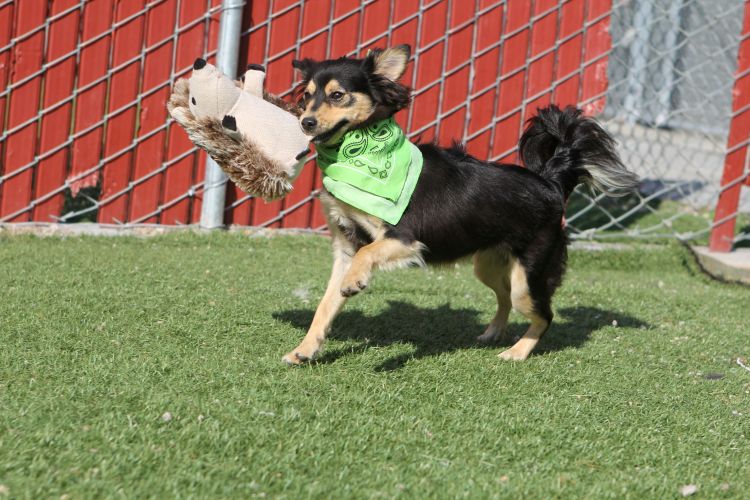
The process to adopt or buy a pet varies by shelter and breeder. But generally speaking, here are the steps for both options.
Pet adoption process
You can adopt a dog or cat from a municipal shelter or a private nonprofit rescue organization. Let's start with the pet adoption process for a nonprofit animal rescue, which may take anywhere from a few days to a few weeks:
- Fill out a detailed application for a specific dog or cat that you view online or meet in person.
- If your application is selected, schedule a meet and greet at the shelter or with the foster. Typically, you'll need to bring all housemates and current dogs or cats.
- If you're approved after the meet and greet, an in-person or virtual home inspection will be scheduled to ensure that your residence is safe and pet friendly.
- Once the home inspection clears, it's time to sign the contract, pay the adoption fee, and bring home your new furry friend.
A municipal government-run shelter or animal care center may have a more relaxed adoption process that can be completed in one day, perhaps just requiring a valid government ID, a meeting with an adoption counselor, filling out an application, and paying the fee.
Buying from a breeder
Getting a pet from a breeder requires a bit more legwork, as breeders are often just as choosy as buyers are. Here are the general steps involved with buying a dog or cat from a breeder:
- Search reputable, responsible breeders of your desired breed. Reach out to your chosen breeder (or breeders) to learn more about their specific screening and adoption process.
- Fill out a kitten or puppy application, which typically includes information about your living situation, lifestyle, whether you have kids and pets, and your schedule.
- If your application is approved, it's time to either select a puppy from a current litter or kitten or get on the waiting list for a future litter. Waiting list slots often require a deposit.
- When your pet is ready, schedule a pickup, where you'll finally meet your new furry pal. This is when you'll pay the final fee and sign the contract.
The breeder purchase process may take up to a few months or even more than a year, depending on the number of litters and customer demand. If there are current litters with puppies or kittens who haven't yet been adopted, the process could take a few days to a few weeks.
What else should I consider when choosing a pet?
Choosing a pet involves more than just the cat or dog adoption vs. breeder decision. There are several other important factors to consider before bringing home your cute companion:
- Breed, size, and temperament preferences. Do any dog or cat breeds stand out to you more than others? Perhaps you prefer teacup-sized dogs or are looking for lazy cat breeds. Think about your ideal pet size, coat type (if you have allergies or want a low-maintenance grooming routine), temperament, and age. For instance, if you're considering adopting vs. buying a kitten, the process may take a little longer than for an older cat, as kittens are often adopted quickly.
- Lifestyle. Try to choose a pet that fits into your lifestyle. Think about how long you're gone during the day, if there are other pets or young kids living at home, how often you travel, and your general levels of activity and energy.
- Living situation. Your living situation doesn't have to dictate what kind of pet you get, but it's a factor worth considering. For instance, people living in homes without an enclosed outdoor space must be willing to take their dogs out frequently to go to the bathroom and expend energy.
- Budget. The breed and size of your pet can influence how much it costs to care for them. For example, hairless cats or dogs typically require extra skincare, while long- or curly-coated dogs will likely need more professional grooming than short-haired breeds.
Trupanion: Supporting your pet journey
Whether you decide to adopt vs. buy a pet, make sure to get pet insurance right when you bring them home. A Trupanion pet insurance policy helps to cover your furry companion from nose to tail, offering coverage for breed-specific and hereditary conditions (as long as they're not pre-existing), injuries, medications, and more—all to ensure that your pet gets the necessary care they need to thrive.
Learn more about Trupanion pet insurance and explore our robust coverage.
Pet Parenting is the official dog and cat blog of Trupanion, a leader in the world of pet insurance. Here you’ll find useful dog and cat care tips, important veterinary insights, and an abundance of pet lifestyle topics. All of our articles are written by real humans with a love for pets, not AI. However, please note that the views expressed here are those of the individual authors and do not necessarily reflect those of Trupanion. Articles are reviewed by veterinarians for accuracy, but they are not a substitute for professional diagnosis and treatment. Always consult with your own pet’s veterinarian for advice.