Ready to help treat your pet to a healthy life?
A Guide to the German Shorthaired Pointer: Do They Make Good Pets?
By : Kathleen Crampton | Published May 27, 2026

With their regal looks, soulful eyes, and floppy ears, there's no doubt that the German Shorthaired Pointer is one of the delightful dog breeds out there. But what's it like to own a GSP?
While these furry go-getters aren't for the faint of heart in terms of activity and training needs, GSPs are wonderful additions to so many families, lending an intelligent and affectionate presence to any household. Learn all about the German Shorthaired Pointer—including their build, energy levels, temperament, potential health conditions, and more—to understand if this breed is right for you.
Interesting facts about the German Shorthaired Pointer
- The German Shorthaired Pointer is one of many pointer breeds, including the English Pointer, Portuguese Pointer, and Braque du Bourbonnais.
- Pointers are sometimes referred to as "gun dogs" or "bird-dogs" because they assist their owners with hunting birds, oftentimes with the use of firearms. The pointer dog uses their snout to point to the bird, then the hunter shoots the bird in the air.
- The American Kennel Club (AKC) lists the GSP in the top 10 most popular dog breeds in America for 2025.
GSP breed description

German Shorthair Pointers were bred for hunting, so it makes sense that their body types align with that activity. They're relatively large dogs, although females can be quite a bit smaller, that have graceful, agile builds made for exercising—whether that's going on a run with their pet parent, bird hunting, or galloping around the dog park.
- Height — 21–25 inches (53–63 cm)
- Weight — 45–70 lbs (20–31 kg)
- Build — Strong, muscular body, with a graceful, lithe body type, long snout, long ears, and short tail that points upward
- Coat — Short coat, with thick, coarse hair on the body and smoother, thinner hair on the head and ears
Many people describe GSPs as looking alert, with its long muzzle, a ready-for-adventure stance, and high-pointed tail. While these pups are, indeed, alert—tending to be vigilant and watchful of their surroundings—their long, floppy ears give them an adorable, "aw"-inducing look.
Similar dog breeds
- German Wirehaired Pointer
- English Pointer
- Pointer
History of the German Shorthaired Pointer
Dogs have been used throughout European history to assist with hunting birds and other prey, but sometime in the 1700s, German bird hunters realized they needed a breed that would suit hunting with the use of firearms: the ability to point toward the bird, swim, run, and overall exhibit strength, endurance, and obedience.
After many years of cross-breeding their German scent hounds with several types of German dog breeds, in the 1800s, they finally found the perfect match: an English Pointer. With the English Pointer breeding combination, the German hunters produced a pointer dog that's quick on their feet, an avid swimmer, runner, and retriever, and a loyal companion. The German Shorthaired Pointer breed was born.
GSPs were accepted to the American Kennel Club (AKC) registry in the early 1930s. The German Shorthaired Pointer Club of America has been recognized as the AKC Parent Club since 1938.
GSP temperament, energy level, and training needs
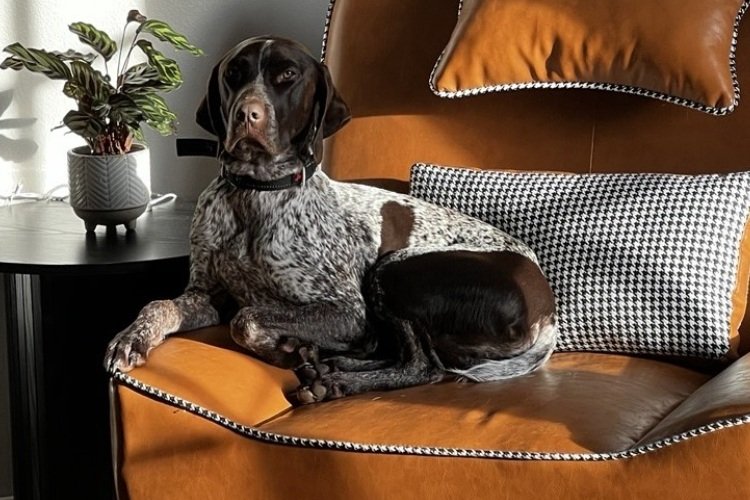
Before bringing home a German Shorthaired Pointer, it's important to understand what the breed's general personality and temperament are like, as well as their energy levels and training requirements. This will help to give you a better idea of what it's really like to own a GSP.
Temperament
Playful, energetic, loyal, and affectionate are hallmarks of the breed. German Shorthair Pointers are wonderful companions—and "companion" is the keyword here. GSPs crave company and mental and physical stimulation, meaning that their pet parents should aim to be with them for good portions of the day. Older children and other medium to large dogs would also be good companions.
GSPs love their family members, showing loyalty and giving affection freely. The breed is fairly open to meeting new people and other dogs, but their protective instincts may kick in every now and then. Because GSPs are bred to hunt, these pups are always alert, looking out for squirrels, birds, and other new sights, smells, or sounds that pique their interest.
Energy level
With a GSP, get ready for an exercise-focused routine. Given the breed's hunting origins, it makes sense that they need a ton of exercise to fulfill their daily requirements.
German Shorthaired Pointers need at least one to two hours of exercise, but before you start worrying that you won't be able to keep up, remember that you can play a passive role in some of this activity. For example, you could take them for a walk, jog, or hike in the morning, then play a long game of fetch in the afternoon. Or take them to a dog beach, where they can run and swim (and you can relax on the sand), and later, let them romp around and play in your fenced yard.
The breed isn't too picky about their activities—as long as they're with their favorite human and able to get their energy out, they'll be happy.
Training needs
This active breed is intelligent and highly trainable, both eager to please their owners and requiring the mental and physical stimulation that training tasks bring. Pet parents should be ready to spend ample time training their German Shorthaired Pointer, from puppyhood all the way through their golden years.
It's important to begin training a GSP from a young age, starting with socialization and general puppy training and moving on to general behavioral training, agility tasks, and breed-specific training. For instance, according to Best Mate Dog Training, GSPs can get very distracted by interesting smells or sounds (after all, they are a hunting dog), so their training should include learning how to heed instructions amid the distraction.
Potential health issues in German Shorthaired Pointers
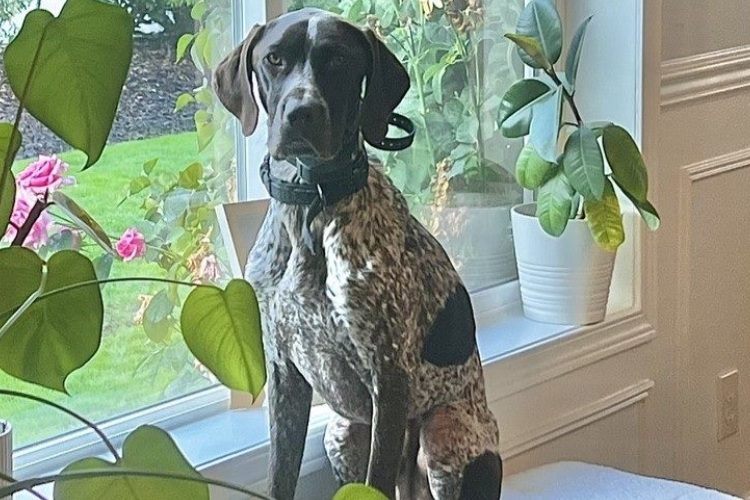
Some dog breeds are more prone to being born with or developing certain health conditions than others. With German Shorthaired Pointers, there are some potential health concerns to know about. Keep in mind that conditions may or may not appear—not all GSPs are affected.
Subaortic Stenosis
German Shorthaired Pointers are at higher risk than many other breeds of getting subaortic stenosis (SAS), the most common type of canine congenital heart disease. It can cause a heart murmur and an irregular heartbeat, which can pose a risk to GSPs when they're exercising or getting excited.
Your veterinarian can diagnose SAS in terms of mild, moderate, and severe. Mild and severe cases likely warrant treatment, which could include beta blockers or surgery.
Bloat
Gastric dilatation and volvulus (GDV), commonly referred to as "bloat," typically affects large, deep-chested dogs, including German Shorthaired Pointers. The condition occurs when the pup's stomach fills with gas or food, then twists on itself, blocking both the entrance and exit to the stomach. This prevents blood from getting to the stomach, hindering blood circulation throughout their body.
While the anatomy of a dog's chest can make it more prone to developing bloat, other factors that may increase their chance of bloat could be eating too much, too fast; exercising too soon after eating; anxiety; and genetics.
Bloat is an emergency condition that requires immediate veterinary attention. Here are the symptoms to look out for:
- A distended belly
- Trying to vomit
- Pacing
- Salivating
- Collapse
- Trouble breathing
Day blindness
Day blindness, or formally referred to as achromatopsia, is a rare hereditary condition involving cone degeneration in a dog's eyes. This leads to day blindness, where pups have difficulty seeing in bright light, color blindness, and a loss of central vision. The specific genetic mutation found in GSPs (as well as Alaskan Malamutes) is called cone degeneration 2.
If your German Shorthaired Pointer has this disease, they'll likely show symptoms in the first few months of life.
Von Willebrand's disease
German Shorthaired Pointers are also more prone than other breeds to develop Von Willebrand's disease, an inherited disease that involves the blood not being able to clot properly. GPSs specifically may get type 2 Von Willebrand's disease, which can lead to uncontrolled bleeding after a triggering event, such as an injury.
According to Cornell University College of Medicine, it's important to note that just because a GSP pup carries the trait for the disease doesn't mean that they will show significant or severe symptoms.
How to care for your German Shorthaired Pointer

Your GSP's preventative care routine at home isn't too involved. Here are some tips on how to keep their coat, teeth, ears, and stomachs healthy:
- Groom your pup every few days. GSPs aren't high maintenance in the grooming department. Aim to brush them with a bristle brush or rubber grooming glove every few days (and more frequently during shedding season).
- Brush their teeth frequently. Yes, dogs need their teeth brushed, too! Once a day is best, with a minimum frequency of every three days. Follow these pet dental care tips to make the process easier.
- Check their ears. Their floppy ears can trap moisture and foreign debris, so it's important to check your pup's ears for any redness, discharge, or inflammation. Because the breed is outside a lot, incorporate an ear check into your daily routine.
- Be mindful of mealtimes. Feed your German Shorthaired Pointer according to your vet's recommendations. Additionally, to help decrease the risk of bloat, make sure they get two meals per day and don't exercise after they eat. You can also ask your vet about gastropexy, a surgical procedure that can be performed in young dogs at the time of spay or neuter to help decrease the risk of GDV.
- Get pet insurance. Pet insurance is your safety net when the unexpected happens. With a Trupanion dog insurance policy, your furry pal can get the treatment they need for covered injuries, hereditary conditions, and more—and your budget will be protected.
Is this breed right for you?
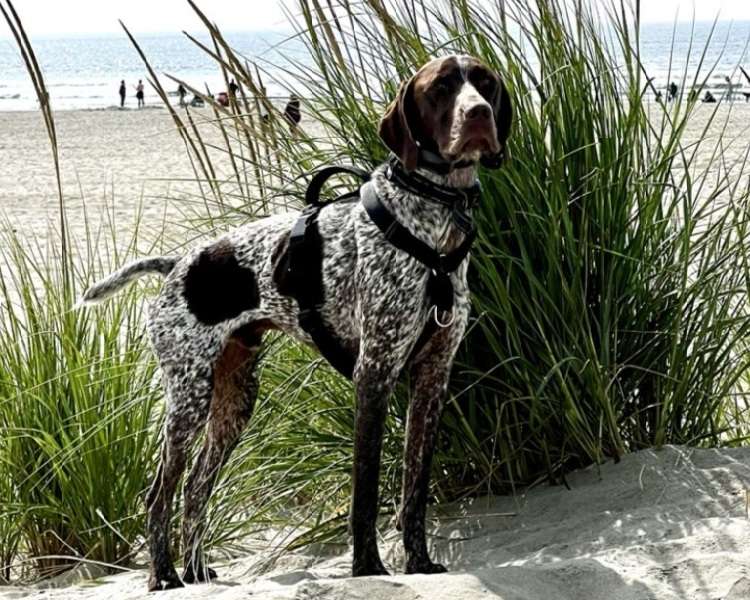
Now that you have a better idea of what it's like to welcome a German Shorthaired Pointer into your household, is this breed the right fit for your situation and lifestyle? Here are some things to keep in mind as you consider bringing home a GSP:
- They're best for active pet parents. Do you already have an active lifestyle, or do you hope to develop one? If so, this breed could fit well in your day-to-day life. GSP owners should be prepared to carve out ample time each day to give their pups enough physical activity.
- Dedicated training is a must. German Shorthaired Pointers need consistent, dedicated training, not only as puppies but also throughout their adult years. They can be stubborn and get distracted, requiring much patience from their pet parents. Raising one of these wonderful pups might be easier if you've had experience training active working dog breeds.
- They love being your buddy. If you're looking for a tried-and-true companion—for both outdoor adventures and at home—you'll find it in a German Shorthaired Pointer. The breed is loyal, protective, and highly affectionate, craving their family members' presence. They might not thrive in households where pet parents are away from home for much of the day.
Deciding whether a German Shorthaired Pointer is right for you isn't easy. After all, every dog comes with different benefits and challenges. You can check out other dog breed guides on Trupanion's Pet Blog.
Pet Parenting is the official dog and cat blog of Trupanion, a leader in the world of pet insurance. Here you’ll find useful dog and cat care tips, important veterinary insights, and an abundance of pet lifestyle topics. All of our articles are written by real humans with a love for pets, not AI. However, please note that the views expressed here are those of the individual authors and do not necessarily reflect those of Trupanion. Articles are reviewed by veterinarians for accuracy, but they are not a substitute for professional diagnosis and treatment. Always consult with your own pet’s veterinarian for advice.