Ready to help treat your pet to a healthy life?
How to Bathe Your Dog: A Step-by-Step Guide
By : Kathleen Crampton | Published Dec 10, 2025
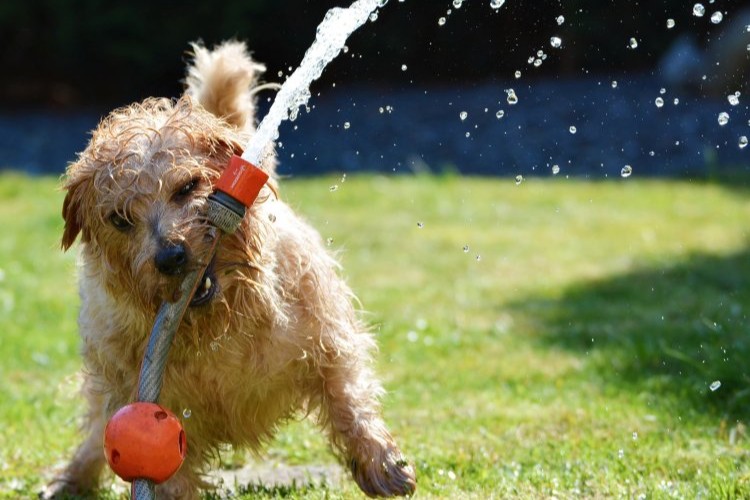
Giving your dog a bath not only gets them squeaky clean—it can also make for a rewarding experience for both you and your pet, providing a bonding opportunity to boost trust and emotional connection. But learning how to bathe your dog at home requires knowing the right steps to take for a calm, safe, and enjoyable experience.
In this guide, we'll walk you through the dog bathing process and provide tips for bathing frequency, products, and when a professional groomer might be the best choice.
Why bathing your dog matters
Bathing your pup is about more than getting rid of any funky smells after a romp at the dog park. Regular dog baths are important for several other reasons:
- Skin health: With ample outdoor playtime, it's no wonder that dogs can drag home dirt, pollen, and allergens. Routine bathing can help to remove these irritants, keeping their skin healthy, clean, and itch-free.
- Shedding reduction: Dead hair is naturally removed during the bathing process, as brushing, shampooing, and washing gets rid of loose fur, which can help to prevent matting.
- Bonding: Bath time can be a great opportunity to deepen the bond between you and your pet, where you can increase trust and create a relaxing and even enjoyable experience for your dog.
- Pet parent health: Bathing your pup helps to keep your home cleaner and especially benefits human family members who have allergies or sensitivities.
How often should you bathe your dog?
Knowing how often to bathe your dog isn't an exact science, but a good rule of thumb to follow is one to three months.
The frequency depends on several factors, including the breed, coat type, and lifestyle. For instance, double-coated and hairless dogs likely need to be bathed more often than short-haired breeds. Additionally, pups that love to swim or get into muddy mischief will probably need to be cleaned more frequently than those that don't partake in many outdoor adventures. Another factor is if your pup has any skin issues that warrant more or less frequent bathing.
Consult your veterinarian to determine how often to bathe your dog, based on their breed, coat length, and any medical conditions. It's important to not over-bathe them, though, as doing so can strip the skin and coat of their natural oils and lead to dry, itchy skin.
What you’ll need before the bath
Prepare the following for your dog bath at home:
- Nonslip mat
- Dog-safe mild shampoo (do not use human shampoo)
- Towels (large and small)
- Cotton balls or dog ear cover
- Brush and/or comb
- Treats
- Lukewarm water source (from an outdoor hose or a sink, shower, or bathtub)
Some optional items to gather include:
- Grooming loop
- Plastic bucket and cup
- Dog-safe conditioner
- Detangling spray
- Blow-dryer
- Tear-stain wipes
- Dog-safe face wipes
- Drain hair catcher
Step-by-step: how to bathe your dog at home
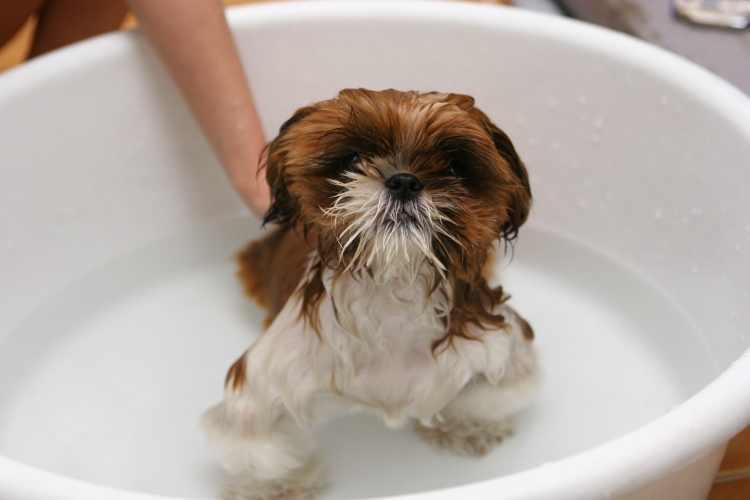
Now that you've gathered your supplies, it's bathtime! Here are step-by-step instructions for a dog bath.
1. Brush your dog
Always start a dog bath with a good brushing or combing, using a tool intended for your pup's coat type. Removing loose hair ahead of time lessens the amount of fur you'll have to clean up at your prepared bath area.
If some areas are difficult for a brush or comb to get through, you may want to use a detangling spray to moisturize the fur and help loosen any stubborn tangles.
2. Prepare the bath area
Deciding where to bathe likely depends on your living situation and your dog's breed. For instance, if you have a yard space and a hose, an outdoor bath is a great option, especially for large breeds. But don't fret if you don't have outdoor access. You can bathe your pup in the shower or bathtub, and if you have a very small dog breed, the kitchen sink works too. Just be sure that wherever you choose has lukewarm water, as some dogs may be sensitive to water temperatures that are too hot or cold.
For outdoor baths, use the following dog bathing tips:
- You may want to secure your dog with a grooming loop, tethering them to a stable object, like a tree, post, or stake.
- Check the water pressure of your hose ahead of time to ensure that it's not high-pressure. If it is, fill a bucket with water and use a cup to wet your pup.
Indoor baths should involve these dog bathing tips:
- Place a hair catcher over the drain and a nonslip mat at the bottom of the shower or tub.
- If you don't have a shower sprayer attachment, use a plastic bucket and cup to wet your dog.
- Secure extra squirmy pups to the faucet with a grooming loop.
3. Wet your dog thoroughly, then shampoo
Starting with their neck, wet your dog with lukewarm water all the way to their tail, including their legs, paws, and stomach area. Even though you're avoiding their head, sometimes water can splash up, so it's best to use an ear cover made specifically for dogs or place a cotton ball in each ear to prevent water from getting in.
Read the instructions for the dog-safe shampoo to ensure that you use the product correctly. Then, massage the shampoo into all of the wet areas, giving your pup's coat a soft scrub.
If your dog isn't very dirty, you might not need to use shampoo. You can simply rinse them with lukewarm water and save the shampoo for the next time their coat really needs a good cleaning.
4. Rinse completely
Use the hose, shower spray nozzle, or cup to direct water over your dog's body, avoiding their ears and head. Make sure that every shampooed area is thoroughly rinsed so that no suds remain. If you're in doubt, rinse again.
5. Clean their face
You have a few options when it comes to cleaning your pup's face:
- Towel and dog shampoo: Use a small towel or washcloth and first dip it in water, then dab around your dog's eyes. (Alternatively, you can use a tear-stain wipe.) Then, apply a small amount of shampoo (ensure that it's tear-free) to the towel and wipe the rest of your dog's face gently, cleaning in between any skin folds and around their mouth. Finally, wet the towel again, rinsing out any suds, and wipe the shampoo off of their face.
- Dog-formulated face wipes: Another option is to use dog face wipes that can gently clean their face. Make sure that the wipes are safe to use around their eyes to remove any goop or tear stains.
When you're done washing, apply a clean, dry washcloth to gently dry their face.
6. Condition (If needed)
Not all dogs need conditioner, but many may benefit from the extra hydration. Talk with your vet about whether your pup should be conditioned after a shampoo and what products they recommend for your dog's unique coat and skin type. Dog-specific conditioners are either applied to a wet coat and left on to dry or intended to be rinsed out.
7. Dry off
First, remove the cotton balls or ear covering. Then, using towels or a blow-dryer on the low, cool setting, dry off your pup completely from neck to paws to tail. If you use a towel, pat dry instead of rubbing.
8. Reward your pup
Give your dog a special treat for a job well done!
Tips for a stress-free dog bath
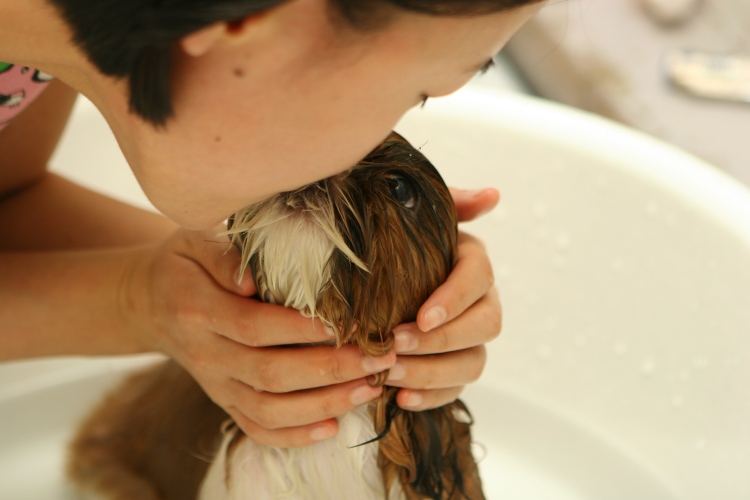
There are some tried-and-true dog bathing tips for a peaceful and even an enjoyable experience for you and your pup:
- Prep with training sessions ahead of time, such as practicing putting cotton balls in their ears, wearing an ear covering, or sitting still in the bathtub or shower. Reward your dog every time. This gets them comfortable with different aspects of the bathing process before wash day comes.
- Don't reserve the treats for post-bath—use them throughout bathtime, too. Give them a small treat at every few steps in the process to provide positive reinforcement.
- Use a calm, happy voice and gentle movements as you bathe your dog. Don't rush, as this can make your dog feel stressed or anxious.
- You can distract your dog with a lick mat or a puzzle feeder.
Bathing by coat type: short, long, double-coated, hairless
How to wash a dog also depends on coat type, as different breeds may require a slightly different approach or products. The following are some general bathing guidelines for short-haired, long-haired, double-coated, and hairless dog breeds.
- Short-haired: Short-haired dogs, like French Bulldogs, can enjoy less frequent bathing than their long-haired, double-coated, and hairless canine cousins—every one to three months should be just fine.
- Long-haired: Long-haired pups will need extra attention to the pre-bath brushing process, ensuring that all tangles are gently removed. (The same goes for curly-haired breeds, like Poodles.) Using a detangling spray, in addition to a brush, may help.
- Double-coated: Pups with double coats include Alaskan Malamutes, Golden Retrievers, and many more, who have a soft, wooly undercoat and a topcoat made up of coarse guard hairs. All this fur typically requires more grooming than single-coated dogs, with daily brushing and frequent baths, at approximately every six to eight weeks. Using a blow-dryer is recommended for double-coated pups to speed up the drying process.
- Hairless: Hairless dogs typically need more frequent baths than other breeds due to their sensitive skin. A weekly bathing routine is recommended. Your vet may suggest a moisturizing, scentless dog shampoo; conditioner for extra hydration; and even a dog-safe skin oil to replenish their natural oils after cleansing.
When to see a groomer or vet instead
While bathing your dog at home can deepen your bond, sometimes taking them for a professional dog grooming session is the best choice for bathtime. A dog groomer has the experience to deal with excessive matting and can bathe pups with very sensitive skin properly. Additionally, if your dog is highly anxious and you don't feel equipped to keep them calm throughout the process, this is where the help of a professional can come in handy. Some veterinary clinics even offer bathing services.
Whether you bathe at home or schedule a professional spa day for your pup, always consult with your vet before bathing to ensure that you use the right products, such as the best dog shampoo for their coat type and skin.
How pet insurance can help with skin conditions
Bathing your dog is an important part of pet parenting, as it keeps their coat and skin healthy. If your pup does develop a skin issue, however, pet insurance can help.
A Trupanion dog insurance policy provides nose-to-tail coverage for your pup, including treatment for chronic itching, skin infections, and allergies. (Keep in mind that coverage doesn't include pre-existing conditions, so getting pet insurance as early as possible is always ideal.) Help your pup put their best paw forward by signing up for dog insurance.
Pet Parenting is the official dog and cat blog of Trupanion, a leader in the world of pet insurance. Here you’ll find useful dog and cat care tips, important veterinary insights, and an abundance of pet lifestyle topics. All of our articles are written by real humans with a love for pets, not AI. However, please note that the views expressed here are those of the individual authors and do not necessarily reflect those of Trupanion. Articles are reviewed by veterinarians for accuracy, but they are not a substitute for professional diagnosis and treatment. Always consult with your own pet’s veterinarian for advice.