Ready to help treat your pet to a healthy life?
How to Get Rid of Cat Urine Odor
By : Brianna Gunter | Updated Aug 7, 2024
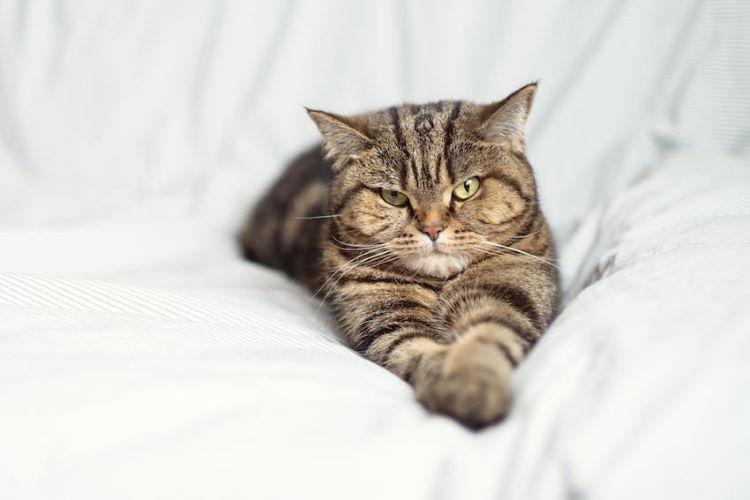
Much as we love cats, they sometimes deliver some unpleasant surprises. And as all too many cat owners know, the smell of cat urine is tough to get out of carpets and furniture. Fortunately, there are steps you can take that can help.
Now, it’s normal to get angry at your cat for urinating outside of his litter box, but that’s the last thing you should do. Not only does discipline after-the-fact not work with felines, but their behavior could be indicative of more serious problems. After you clean up, it’s important to figure out why your cat peed outside the litter box in the first place to prevent future reoccurrences.
But first, let’s tackle that lingering cat urine odor.
Why does cat urine smell so strong?
If you have other pets, you may wonder why your cat’s “accidents” tend to smell more pungent. But as a metabolic waste concentrate, cat urine is not really chemically different from that of other animals. According to Joe Schwarcz of McGill University, the main reason cat pee has such a bad rap “is the fact that the urine is usually left unnoticed until it becomes a problem.”
Basically, bacteria eventually starts to decompose the urea (a waste product in urine consisting primarily of nitrogen), which causes the strong odor of ammonia. Further decomposition can make the ammonia scent stronger and give it a stale quality. So, whether your cat decided to mark his territory in a sneaky corner or a previous mess simply wasn’t cleaned up properly, time will only make the scent worse.
Schwarcz also says that urine from male cats tends to smell worse than that of females, thanks to hormones like testosterone. Likewise, older cats with kidneys that are no longer functioning as efficiently may also have more foul-smelling urine.
6 easy steps to get rid of cat urine odor
The smell of ammonia can stay behind long after you’ve cleaned up the mess your cat made, which of course is partly why your kitty’s behavior is so frustrating. Even more aggravating is the fact that lingering odors can make your cat think a certain spot is “okay” to keep urinating in. If you’re using traditional household cleaners (especially ones with ammonia), that could be part of the problem. Baking soda and vinegar can certainly help, but an enzyme cleaner is usually best for tackling cat urine.
Time to roll up your sleeves and follow these cleaning steps:
1. Soak up any wet spots right away
Blot with a clean cloth rather than wipe, or you could rub it deeper into the surface.
2. Lightly rinse the area with warm (not hot) water
Use lukewarm to warm water, as excess heat could help seal in the odor. If it is a carpet or cloth surface, use a spray bottle. Blot the area again with a clean cloth and soak up as much water as possible. *Optional: use a wet/dry vacuum to thoroughly dry and clean the area.
3. Apply an enzyme cleaner
Spray an enzyme cleaner liberally, ensuring the area is fully doused. Let it sit so the enzymes have time to break down any remaining cat urine compounds.
4. Let dry
Blot up any excess cleaning liquid after 10 to 15 minutes and allow the rest to dry for a day. Prevent your cat from accessing the area by covering it with an upside-down box, baking sheet, or laundry basket.
5. Vacuum
Once the cleaner is dry, go ahead and give the area a good vacuuming. This will help pull out lingering odors.
6. Reapply cleaner as needed
Once the area is fully dry, smell it closely for any lasting traces of cat urine odor. Monitor your cat in the area as well and see if they are sniffing it carefully — if so, there may be some traces of urine left that you cannot detect on your own. Reapply the enzyme cleaner and repeat the steps as needed.
Cleaning pillows and blankets your cat has peed on
As all too many pet owners are aware, sometimes cats pee on their favorite throw pillow or blanket. The good news is that there are specific steps that can be taken to help with this as well. As with anything else, try to soak up as much of the urine as possible before applying any cleaner. Then, spray it down with an enzymatic cleaner and let it sit until dry.
Give it an extra hour or two once completely dry to allow the enzymatic cleaner time to break down the cat urine. You may even want to let it sit overnight. Once this is done, throw it in the washing machine with detergent and a big dusting of baking soda (put this directly on the item rather than in the detergent slot, if there is one). Note that detergents can negatively affect how well enzymatic cleaners work. This is why you should wait until it is thoroughly dry until proceeding with washing. Run the washer on cool rather than warm, as warm water can actually help set the urine in rather than wash it out. You'll want to tumble dry cool as well. Repeat these steps as needed until the cat odor is no more!
For pillows, you'll want to remove the pillowcase first if possible and apply these steps separately to each item. However, it is often easier (and more effective) to just focus on cleaning the pillowcase and replace the interior pillow.
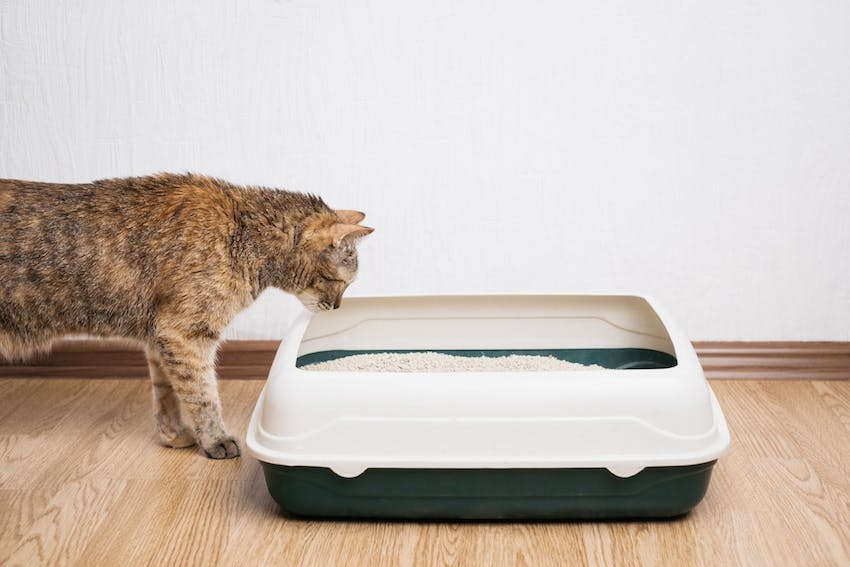
Why do cats urinate outside of the litter box?
While you’re waiting for your enzyme cleaner to dry is a great time to investigate why your cat may be urinating outside of her litter box in the first place.
From young kittens still learning what’s “correct” to older cats experiencing health issues, urinating outside of the litter box is a common issue among cats of all ages. While understandably frustrating for pet owners, it’s important to determine the exact cause in case medical treatment is needed.
Always talk with your cat’s veterinarian before jumping to any conclusions, but possible causes of urination outside the litter box include:
- An un-trained cat (most common with young kittens)
- Stress / anxiety
- A full / un-maintained litter box
- Inaccessible litter box
- Another cat using the litter box (many cats prefer not to share)
- Urinary tract disease
- Kidney disease
- Diabetes
- Obesity (the cat may not feel comfortable inside the litter box, or they may be suffering from obesity-related illnesses)
- Arthritis
- Pain / injury
- Age-related conditions (like loss of bladder control)
Fixing the underlying problem
Keep in mind that cats need to feel safe and comfortable when using a litter box. Check first for simple causes—like a litter box that has not been cleaned in a while or has been inadvertently blocked off. In many cases you’ll be able to make a quick fix right away, and your cat will go right back to urinating where he should.
Likewise, a recent change to your kitty’s environment (like moving to a new home or getting a new roommate) may simply require some time for her to adapt. New pets in the home may also cause stress and territorial issues that could result in your cat “marking” her spots. Always take precautions when introducing new pets to one another, and make sure you cat has a safe space that other pets do not have access to.
If the cause isn’t clear upon observation, your cat may have a medical issue. Make an appointment with your veterinarian as soon as possible, and don’t hold back on the details when it comes to your cat’s behavior. And if you haven't done so already, you'll also want to look into cat insurance to help with any future medical surprises that may come up with your pet.
Tips for a cat-friendly litter box
Just because you have a litter box in your home doesn’t guarantee your cat will use it. To prevent unwelcome messes around the house, follow these tips to ensure your cat has a place she actually wants to use to do her business:
- Try implementing one litter box per cat in the house. Keep these boxes in different rooms.
- If you have a large home, give your cat(s) multiple spaces to go.
- Clean the litter box daily, potentially more often if multiple cats are using the same space.
- Try different cat litters to see if your kitty has a preference.
- Gradually introduce your cat to new litter if you need to switch from a long-term brand (try mixing it with the old one first).
- Try different designs — covered litter boxes help keep odor and litter inside, but some cats avoid them.
- Change out your litter box annually (plastic boxes in particular can absorb odors).
Patience will help vanquish cat urine odor
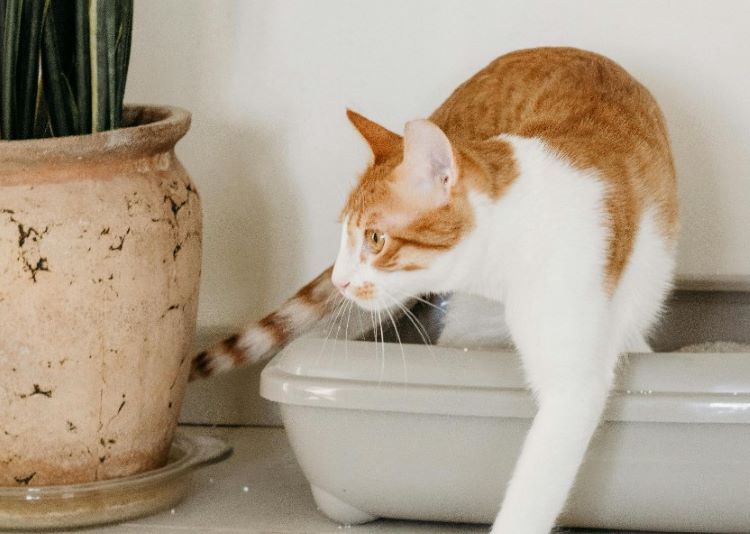
Cats make wonderful pets, but even the best-behaved kitties can exhibit bad behavior from time to time. The best thing you can do is make sure your cat is trained to use his litter box upfront and keep it clean, tidy, and accessible throughout his life. When medical issues are suspected, always seek the expertise of your cat’s veterinarian instead of trying to wait things out.
That said, getting your cat to use the litter box every time and freeing your house of urine odor can take time. Practice some patience, and both you and your furry friend will benefit.
Pet Parenting is the official dog and cat blog of Trupanion, a leader in the world of pet insurance. Here you’ll find useful dog and cat care tips, important veterinary insights, and an abundance of pet lifestyle topics. All of our articles are written by real humans with a love for pets, not AI. However, please note that the views expressed here are those of the individual authors and do not necessarily reflect those of Trupanion. Articles are reviewed by veterinarians for accuracy, but they are not a substitute for professional diagnosis and treatment. Always consult with your own pet’s veterinarian for advice.