Ready to help treat your pet to a healthy life?
Lost Pet Season - Tips for Finding Your Pet and Preventing an Escape
By : Kathleen Crampton | Published May 17, 2026
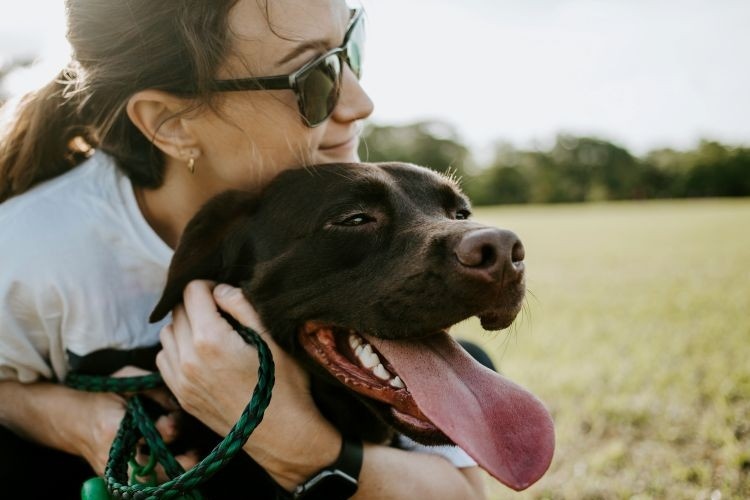
Pet parents everywhere likely wonder about what to do if your dog runs away or your cat finds an escape route. The thought of a runaway pet is scary to say the least—and even scarier if it happens. But instead of being concerned with what-ifs, how about we guide you through escape prevention tips and provide key tactics that you can use to find your pet if they become lost.
With this guide, you'll be prepared for springtime in terms of keeping your pet safe and sound in the safety and comfort of your home.
Why warmer weather increases escapes
While pets can be escape artists at any time of year, springtime is often more prevalent for runaway cats and dogs.
For one, the warmer air typically means more open windows and screen doors, which can be viable escape routes for your pet. Plus, pet parents are likely going outside more often—with or without their pet—and doors left ajar can be enticing even for furry homebodies. Additionally, with better weather comes more outdoor activity: birds, insects, and other animals are venturing out to mate and seek out food. When your pet sees this interesting activity, they might crave a taste of the outdoors or want to scamper away from you to investigate.
This is why it's crucial to know what to do to keep your pet safe and best practices for finding them.
Prevention tips to keep your pet safe
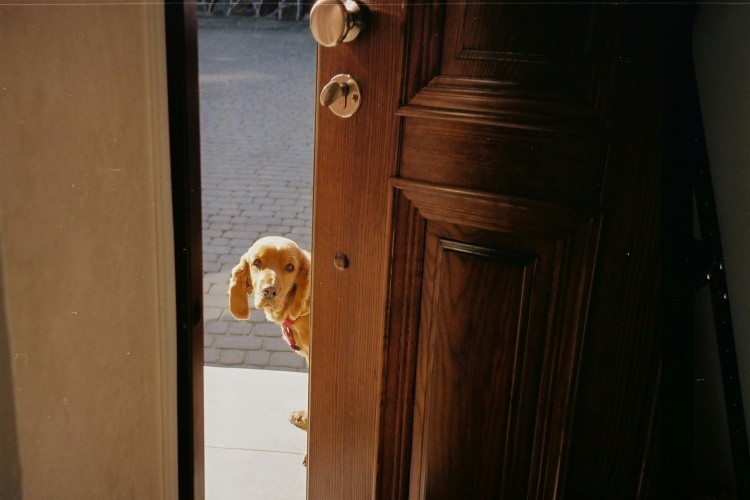
Preventing an escape isn't easy, but it sure is important. While keeping curious cats and dogs from wandering might seem challenging, there are some key practices to help them stay safe and keep you from worrying.
- Create a door safety zone for your pup. Install a baby gate around all doors that lead to open areas, such as the front door to the street or a door to a balcony.
- Train dogs to obey the door routine. For pups, you can try to train them to sit and stay when you open any door.
- Secure all windows. Spring is open-window season—and that means there's more potential for cats to escape. Follow these tips for preventing your cat from escaping through the window.
- Desensitize your pet to the sound of knocking or a doorbell. Pets may become excited or anxious when they hear loud sounds, like knocking or the doorbell. Excitement can lead to a quick escape at the door, while stress can cause them to scamper away to a hard-to-find hiding spot. Train them to associate these sounds with staying calm.
- Make sure their collar fits. First, get a dog collar or cat harness that your vet approves, then ensure that it fits correctly. If your dog has slipped through their collar, you know how scary that can be. For dogs and cats alike, a snug fit can help prevent escapes.
- Ensure their pet ID tag info is up to date. If you've moved or changed phone numbers recently, make sure to update the information on your dog or cat's tag.
- Consider adding a GPS tracker. There are several types of GPS trackers that you can attach to your pet's tag on their collar. Some work better in certain areas than others, so be sure to do your research. Some trackers even come with an LED light and a buzzer or beeper feature, making it easier for you to locate your pet if they're nearby but not coming when called.
- Update microchip information and ensure that the device is working. According to Human Animal Support Services, microchipped pets are three times more likely to be returned to their parents. But it only works if the microchip is up to date, so be sure to do so when you move addresses or change phone numbers. Additionally, every time you go to the vet, ask them to scan for your pet's microchip to ensure that it's still in place and working correctly.
Pet escape plan: What to do in the first five minutes
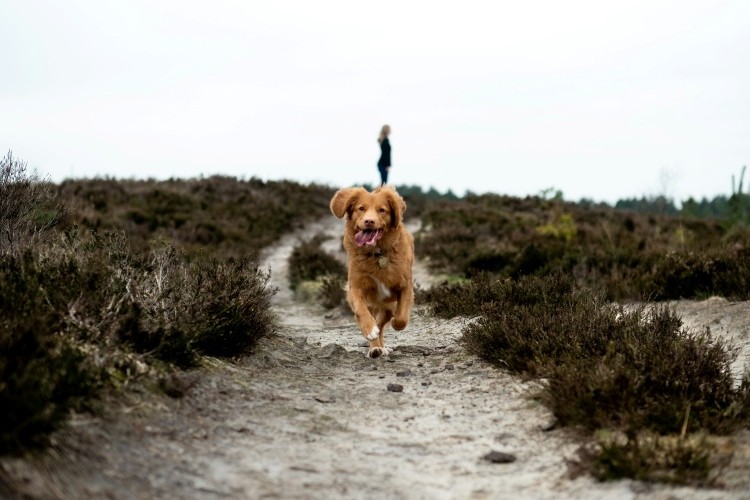
If suddenly you can't find your dog or cat, the first thing to do is stay calm. Try not to let the stressful thoughts overtake you during these first few crucial minutes after losing your pet.
Here's what to do in the initial five minutes of not being able to find your cat or dog:
- Don't panic. Keep a clear head so that you can be methodical in your approach to finding your pet.
- Yell your dog's name. They might be close enough to hear your call and return.
- Loudly shake your pet's food dish. This tactic can entice both cats and dogs to return if they're nearby.
- Check their hiding spots. If you're at or near home, head to all of their common hiding spots, such as under your bed or behind their favorite bush in the backyard.
- Check your pet's GPS tracker (if applicable). If your dog or cat has a GPS tracker on their collar, check it immediately to find their last known location.
- Investigate possible escape routes. Scan the area for potential escape routes, such as down another street or through a hole in a fence.
You may be able to find your pet in a hiding spot or by calling their name loudly, but if these tactics don't work, it's time to move on to your first-hour checklist.
What to do in the first few hours: Dogs vs. cats
To find a lost pet fast, it's important to use the first few hours wisely. First, we'll go over general steps to take for both pets, then review some differences in finding dogs versus cats.
- Walk your property again, including your home. Check every nook and cranny of the house and yard. Be sure to open locked rooms, garages, and sheds, as sometimes pets can sneak into these areas.
- Survey a one-mile radius around your house. Within the first 10 to 15 minutes, check a one-mile radius around the area where your pet became lost. There is a significant chance that your dog or cat could still be in this area. In fact, in the city of Chula Vista, California, 70% of lost dogs were found within one mile of their home.
- Gather friends and neighbors to help with the search. The more people you have helping, the better. Ask neighbors and friends to come help you search the neighborhood or the surrounding area, either by foot or by car. Provide a well-lit, recent photo of your pet, showing any distinct markings for identification.
- Update your pet's microchip. Make sure your pet's microchip information is up to date with contact details. Visit the registry to update this information. If you can't remember the registry, you can enter your pet's microchip number in the American Animal Hospital Association's pet lookup tool, which will show which registry the number is associated with.
- Alert the neighborhood, shelters, and online groups. Post signs (including pictures and a "last seen" location) around the neighborhood in high-traffic areas. Alert all local animal shelters of your lost pet. (Some counties even have online tools where you can input your pet's information and see if current shelter pets match the criteria.) Finally, post on your social media profiles and in online groups, such as Nextdoor, asking people to look out for your lost pet.
- Call animal control and/or the non-emergency police number. Animal control might be able to help with lost pets, and the police department should be notified if you think that there was a chance of theft.
- Don't give up hope. Just because your cat or dog has been missing for a few hours or a few days doesn't mean that they're gone for good. Keep up the search; rely on social services, friends, and neighbors; and stay positive.
Pet parent tip: Call every shelter in the area every day to ask if your pet is there. Shelter staff may turn over daily, plus your pet may have been brought in at any time since you last called.
Lost dog checklist
In addition to the previous list, here's what to do if your dog runs away:
- Bring a treat or dog food with you on your search. As you walk, you can shake the canister of dog food or the treat bag. These familiar sounds may entice your dog to come forward.
- As you search, say words that excite your dog, such as "treat," "dinner," or "walk."
- Leave treats or your dog's favorite toy near the house, such as on the porch. Your dog has an incredible sense of smell and may be able to navigate back home. Setting out items with familiar aromas can help.
- If your pup is anxious or shy, make sure to note "Do Not Approach" on any fliers and online posts.
Lost cat checklist
Here are some tips for if your cat runs away:
- Do another pass throughout the house, in the yard, and in any garages or sheds. Cats love their hiding spots, but they can also become scared if they're in an unfamiliar area, such as a dark shed, leading them to potentially stay put.
- Ask neighbors to check spots around their house—such as in their yard or garage or under a deck—for your cat.
- Check your property, home, and neighborhood at night, as the quieter environment may help your cat feel less scared. Be sure to bring an item with a familiar scent as you search.
- Similar to dogs, add "Do Not Approach" to all fliers and online posts. Even the most cuddly, friendly cats are likely to fear anyone approaching them, especially if they're in an unfamiliar place.
When to call your vet after a pet returns
When you're reunited with your pet, you may be inclined to just keep them by your side—safe and at home—every minute of every day. But it's important to schedule a visit to the vet when your pet returns for the following reasons:
- They may be injured.
- They could be suffering from dehydration or disease of the liver from going without food for too long.
- They might have been exposed to a toxic plant or chemical.
Your vet can do a full checkup of your dog or cat to ensure that they're healthy or to diagnose and treat any issues. Your pet insurance policy can assist in these instances by helping to pay for covered issues, as long as they're not preexisting conditions.
Now that you know what to do if your dog runs away or your cat escapes, you're better prepared for whatever circumstances life throws your way. Learn more pet parenting tips on Trupanion's Pet Blog.
Pet Parenting is the official dog and cat blog of Trupanion, a leader in the world of pet insurance. Here you’ll find useful dog and cat care tips, important veterinary insights, and an abundance of pet lifestyle topics. All of our articles are written by real humans with a love for pets, not AI. However, please note that the views expressed here are those of the individual authors and do not necessarily reflect those of Trupanion. Articles are reviewed by veterinarians for accuracy, but they are not a substitute for professional diagnosis and treatment. Always consult with your own pet’s veterinarian for advice.