Ready to help treat your pet to a healthy life?
How to Stop Pet Fur from Taking over Your Home
By : Brianna Gunter | Updated Jun 29, 2026
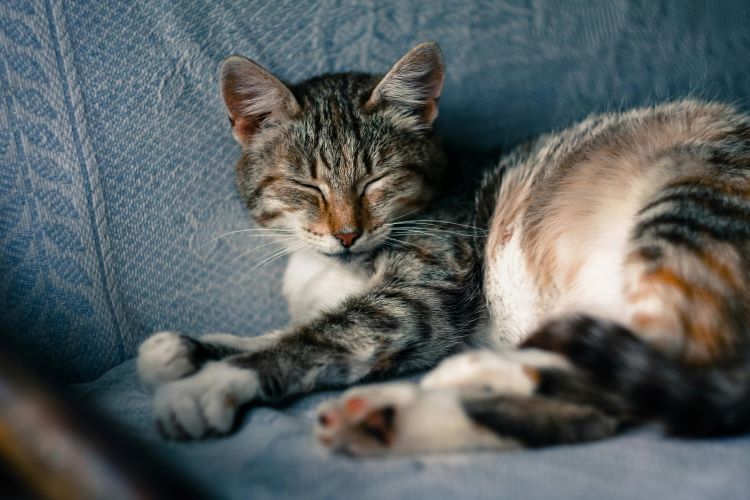
It’s everywhere — on your clothes, your furniture, the air, and occasionally even in your food. We’re talking, of course, about pet fur. With the exception of Sphynx cats and other hairless varieties, all dogs and cats shed regularly and uncontrollably. Unless you’re a Wookiee, being surrounded by hair on a daily basis just isn’t your thing. So, what can you do about it?
Sure, you could spend hours every week meticulously plucking every cat or dog hair from your floors and furniture. You could also just not have a pet. Or, you could follow some basic, easy guidelines to prevent pet fur from building up in the first place and keep living your best life with your pal.
12 easy tips for a fur-free house
Keep in mind that if your home is really covered in fur, you’ll need to spend some more time upfront doing a deep clean and getting things in order. Once that’s done though, following these tips will make it easy to keep your home free of pet fur.
Some specific products and brands are mentioned in these tips. Trupanion does not receive compensation for any external products mentioned or linked in this article — these are just noted to help make your life as a pet parent easier and are for informative purposes only.
1. Brush your pet daily
One of the best ways to prevent pet fur from building up around your home is to tackle shedding at its source. So, invest in a good pet brush (if you don’t have one already) and use it on a routine basis. A bonus here is that many dogs and cats enjoy being brushed, and the task is so simple it can easily be swapped in for one of your regular petting sessions. Try to give your pal a quick brush once a day, especially during high-shed seasons (spring and fall).
Get the right pet brush
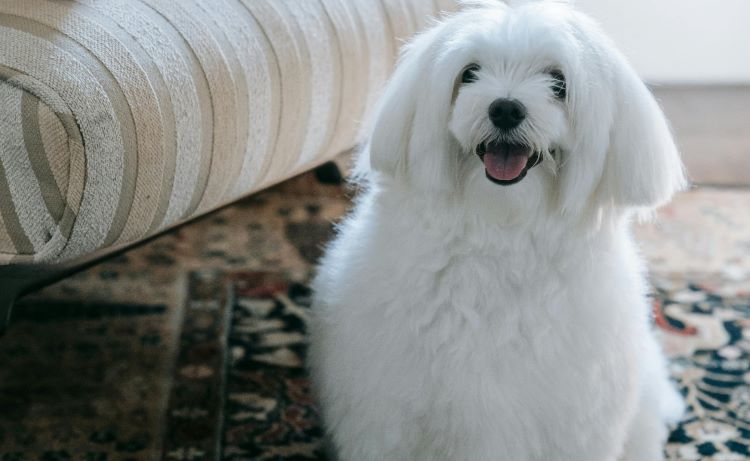
Different breeds have different types of fur, and it’s important to make sure you have a brush that works well for your pet. Dogs and cats with thick, dense coats need a brush with durable, closely-set bristles (like this FURemover design that can also be used for picking up hair on furniture). Pets with flowy, looser coats likewise need a softer brush that won’t pull too hard for comfort.
2. Consider a grooming service
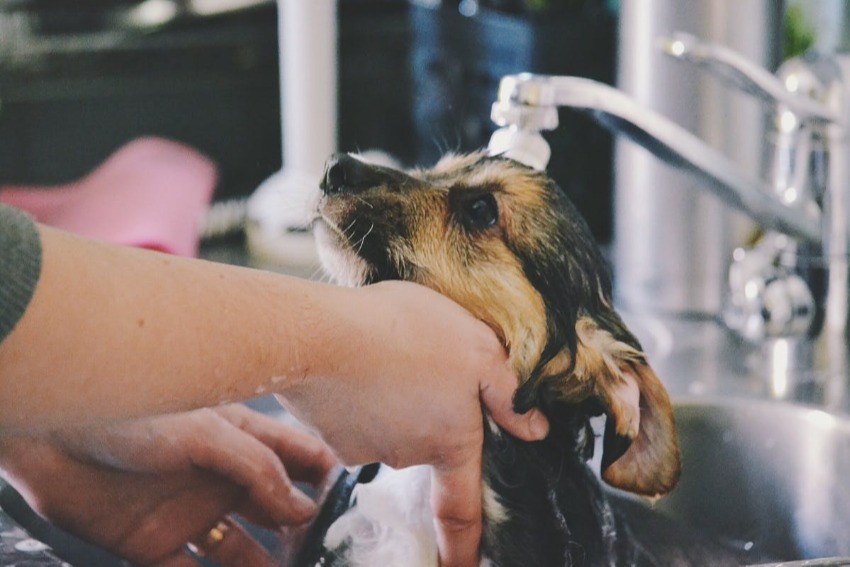
Brushing your furry friend on your own certainly helps with shedding, but in some cases it might not be enough. And if you have a busy schedule, it may be difficult to fit in regular home brushing sessions. So, you may want to consider outside help. Setting up biweekly or monthly pet grooming sessions can help considerably with reducing excess fur in your home, and it’ll help keep your pal fresh and clean. Regular professional grooming can also be a great solution if your pet’s coat is prone to matting or just difficult to maintain in general.
3. Get a robot vacuum
Some people really enjoy vacuuming, but for the rest of us, it’s just plain tedious. And if you have a pet who sheds a lot, you may feel like you spend as much time cleaning fur out of the appliance as you do sucking it off the floor. So, consider a robot vacuum that can be set to automatically do a round on a daily basis.
While not as powerful as traditional hand-push models, robot vacuums can help reduce the amount of time you spend deep cleaning and keep fur levels on your floors to a minimum. As a bonus, they also may be less intimidating to pets who are scared of vacuums.
4.Avoid high-pile rugs
This is easier said than done if you already have some high-pile rugs (the thick kind with deep, cushy shag) around your home that you love. But you know what also loves these rugs? Pets and pet fur. Not only are dogs and cats more likely to roll or snooze on these, which automatically means more exposure to fur, but the deeper crevices between the carpet piles means animal hair can become trapped more easily. Yes, they’re comfy, and they can even look pretty cool. But if you’re sick of dealing with pet fur, it’s time to ask yourself if this kind of rug is really worth it.
Having no rugs is always going to be the best option for dealing with pet fur, but this isn’t ideal unless you love the minimalist cold look. Fortunately, pet-friendly rugs can be eye-catching and cozy too. For example, Ruggable is actually a two-piece rug that comes with an underlying pad for cushiness and a removable, washable top-cover.
5. Set up air purifiers
Air purifiers are often touted as producing better quality air in the home, but they can also help with pet hair issues by reducing airborne dander and fur. Look for a model with a HEPA filter for the best effects, though you may also want to look for one with an added charcoal filter to trap pet odors.
Depending on how large your space is and where your biggest pet fur issues are, you’ll want to consider getting multiple air purifiers and setting them up in each room (at least the spaces you and your pet spend the most time in). These devices can be costly upfront, but they last a long time and make it easy to achieve a fresher home environment.
6. Focus on pet-heavy areas
Your furry friend spends a lot more time in some areas than they do in others. Your kitchen chairs may be relatively fur-free, for instance, but your pal’s favorite couch cushion is practically building up its own custom fleece blanket — yikes! To help save you time and stress, it’s time to focus your efforts on where they’ll matter most.
Cleaning your full house regularly is still important for the basic health of you and your pet, but it doesn’t have to be on the daily chore list. Instead, take note of how — and where — your pal spends their time. Make a list of all the spots that seem to build up fur the most, and be sure to give them a touch-up at least once a day. Just doing a little light maintenance in these areas daily will go a long way in preventing bigger, more annoying stockpiles of fur from building up around your home.
7. Train pets to stay off furniture (at least tough-to-clean pieces)
This option may not work with older pets who’ve already been accustomed to curling up on the sofa. It’ll also be tough with cats who are natural climbers and love cozy things more far more than following orders. But if you have a puppy, now’s the perfect time to train them to stay off of furniture, especially the furniture that is tough to clean and/or fur sticks easily to.
Puppy training isn’t easy, but it is important for setting boundaries and ensuring your pal can safely follow commands. And if you include furniture training in there, you’ll make things way easier for yourself in the long run when it comes to cleaning pet fur off the couch, bed, and other surfaces. Just be sure to get your pet a bed and/or lounger of their own, so they always have a safe space to cuddle up and shed all they want.
8. Use a laundry hamper
You love snuggling your pet, so of course their fur winds up on your clothes. But that doesn’t mean it needs to get all over your home. Always throw worn clothes into a laundry hamper instead of on furniture or (gasp!) on the floor. If you have the space, you may even want to designate a separate hamper for clothes and linens that are especially prone to collecting pet hair. Choose a hamper with a lid to help further reduce the dispersion of fur in the air and around the room.
9. Use pet hair removal tool
It turns out that most pet owners don’t like having fur infesting their homes, so a variety of pet hair removal tools have popped up over the years. Some work better than others, and it often depends on the type of surfaces you used them on as well as just how much fur you need to remove. Still, having one on hand can help work up a lot of old fur stuck on surfaces and save you extra effort during vacuuming sessions. A good old-fashioned lint roller (look for the extra sticky ones) can also help a lot.
You might also want to try a damp rubber glove. While this sounds overly simple (and it is), just lightly wetting a rubber glove and running your hand over furniture and carpets can help pick up tough-to-spot fur that your vacuum may have missed.
10. Ditch the old-fashioned duster
Using a feather duster may add a dash of elegance to your cleaning, but what it doesn’t do is pick up pet fur very well. Instead, they often just spread the fur around in the air and allow it to settle in even more hard-to-reach places. The best dusters for pet hair are made with microfiber that actually picks fur up rather than spreading it around. Do a quick dusting on a regular basis, and you’ll have less fur to clean up later on.
11. Consider furniture and bedding covers
You know what’s often easier than picking fur off of furniture? Removing a furniture cover and throwing it in the wash. If your pet spends a lot of time snoozing on the bed, consider a duvet cover. If they’re a couch potato, look for a cover tailored to your specific design. To prevent fur from building up too much and getting around your home, simply remove the covers (folding inward on itself to contain the fur), give them a good shake outdoors or very carefully over a large trash can, and give them a wash. How often you do this will depend on how furry they get and your personal preferences, but a good rule of thumb is weekly or biweekly.
12. Wash fur-covered items correctly
While you’re washing furniture covers and clothes your cat or dog may have rubbed up against, it pays to follow some basic tips for washing items with pet fur:
- Shake out the clothes and linens (outside or carefully over a big trash can) first. You may also want to run a lint roller over them.
- Before washing, try running everything through a quick (10 minutes should do it) dryer cycle on the lowest heat setting. This will help loosen up the fur and trap a good portion of it in the lint collector.
- Add a half-cup of white vinegar to your washing machine prior to rinsing your clothes and linens. Not only does this serve as a natural fabric softener, but it also helps decrease pet fur cling.
- Throw in an extra dryer sheet when you dry everything. This will reduce static and prevent lingering hairs from sticking. Clean out the lint trap every time you finish drying your clothes.
- At least a couple times a month, run a wash cycle without any laundry. Afterward, wipe down the inside with a microfiber cloth. This will clean it out and help ensure no fur is sticking on the inside.
Healthy pets may shed less
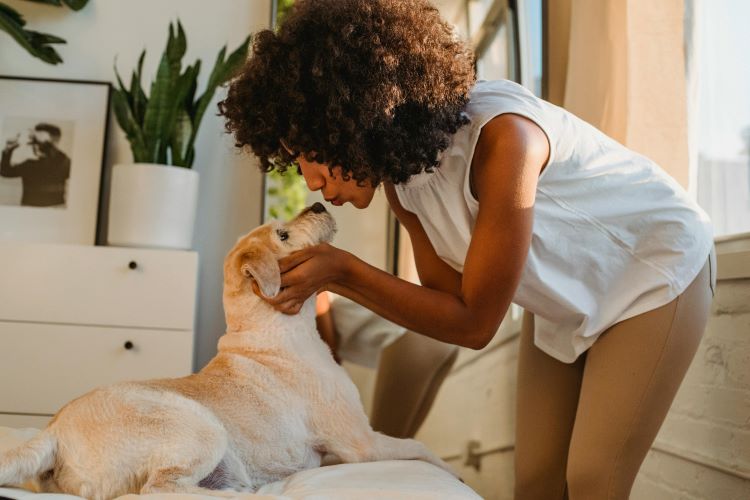
All non-hairless dogs and cats shed. This is true regardless of breed, age, or health status. But speaking of health status, pets with certain conditions may actually shed more frequently. From parasites and poor nutrition to allergic reactions and chronic illnesses, there are a variety of things that can negatively affect your pal’s skin and coat.
While you can’t predict what will happen to your pet, you can take some proactive measures for their health. Keep up with routine veterinary visits, follow a monthly parasite prevention plan, and consider protecting them with pet health insurance. Naturally, you’ll also want to commit to a healthy lifestyle for your pet, which includes a nutritious and balanced diet as well as regular exercise.
Get more tips for promoting your pet’s well-being with our Health & Safety articles!
Pet Parenting is the official dog and cat blog of Trupanion, a leader in the world of pet insurance. Here you’ll find useful dog and cat care tips, important veterinary insights, and an abundance of pet lifestyle topics. All of our articles are written by real humans with a love for pets, not AI. However, please note that the views expressed here are those of the individual authors and do not necessarily reflect those of Trupanion. Articles are reviewed by veterinarians for accuracy, but they are not a substitute for professional diagnosis and treatment. Always consult with your own pet’s veterinarian for advice.