Ready to help treat your pet to a healthy life?
Pet Insurance for Long-Term Care: What Parents Need to Know
By : Brooklyn Benjestorf | Published Apr 2, 2026

For those of us who treat our pets like family, we show up for them when it counts. When facing a long-term health problem, we rally by their side. Just like people, many dogs and cats may develop health conditions that don’t resolve with a single veterinary visit. Some diagnoses impact your pet for months or even years, requiring ongoing treatment, monitoring, and care.
Understanding what pets facing long-term care will need, and how pet insurance coverage fits into that picture, can help pet parents make informed decisions long before they’re faced with a difficult diagnosis.
What is long-term veterinary care for pets?
Long-term care refers to any medical treatment that continues over time, often for the rest of the pet’s life. These conditions don’t have a clear “end date.” Instead, they require ongoing veterinary care and support.
Long-term care often includes:
- Repeat veterinary treatment or specialist care
- Ongoing medications or supplements
- Multiple rounds of diagnostic testing
- Rehabilitation or physical therapy
- Pain management or ongoing quality-of-life support
Common conditions that require long-term care include hip dysplasia, intervertebral disc disease (IVDD), and cancer (although there are many more). These are conditions that generally require ongoing management rather than one-time treatment.
Are long-term conditions different from chronic conditions?
Long-term conditions and chronic conditions are very similar, but not quite the same thing. Both terms describe health issues that require ongoing care rather than a single treatment or a short recovery period, but there’s a small distinction between the two.
Chronic conditions:
- A chronic condition is typically a disease that persists for a long time and may never fully resolve.
- Conditions like arthritis, diabetes, or certain heart diseases often fall into this category because they require lifelong management.
Long-term conditions:
- A long-term condition is a slightly broader concept. It refers to any health issue that requires care over an extended period of time.
- Some long-term conditions may eventually improve or resolve with treatment, while others may be chronic and require management for the rest of a pet’s life.
How long-term conditions are different from emergencies
Emergency care is often intense, but short lived. Long-term conditions are different. They’re slower, with symptoms that typically emerge gradually and require ongoing treatment.
In some cases, emergency care can reveal underlying conditions that require lifelong management. For example, a dog might need emergency care for sudden respiratory distress, only to be diagnosed with congestive heart failure. The ER team will treat them in the moment, but the aftermath involves daily cardiac medications and frequent specialist check-ups.
In general, long-term care doesn’t just come with one bill. It comes with many. Costs can add up over time as pets need continued treatment, follow-up testing, and adjustments to care. If you’ve ever managed a chronic condition yourself, the rhythm may feel familiar.
Instead of a single veterinary visit with one large bill, long-term care typically involves:
- Multiple vet treatments over time
- Periodic flare-ups or progression
- Adjustments to treatment plans
- Ongoing costs that add up gradually
For uninsured pet parents, the hardest part is often balancing what’s medically best with what’s financially possible.
How to choose pet insurance for long-term care
Pet insurance can become an important part of the long-term care equation — sometimes sooner than pet parents might expect. But not all plans handle chronic and long-term conditions the same way.
When evaluating coverage for long-term conditions, it’s useful to understand:
- How deductibles work
- Whether coverage has payout limits
- What happens when care continues for multiple years
These details can significantly impact how useful a policy is once a condition becomes ongoing.
What to look for in pet insurance for ongoing pet care needs
Per-condition vs. annual deductibles
Most pet insurance plans use annual deductibles in their plans that reset every year. Other providers, like Trupanion, use per-condition deductibles that only applies once for any new condition for the lifetime for your pet.
For long-term and chronic conditions, a per-condition deductible means you don’t have to re-meet the deductible every year for the same health issue. This can make a meaningful difference when considering the costs of long-term care.
Payout limits
Coverage limits are also important to consider. Some plans will cap how much they’ll pay out per year, per condition, or over a pet’s lifetime.
Long-term conditions don’t always fit neatly within those limits. Insurance without payout caps allows your coverage to continue as long as the care remains eligible.
How Trupanion pet insurance coverage supports long-term care
Trupanion’s coverage is structured differently than most pet insurance plans, and those differences can count when the care is ongoing.
One deductible per condition
Trupanion uses a per-condition deductible, not an annual one. This means once you meet your deductible for a specific condition, it won’t reset year after year. If your pet is diagnosed with a long-term condition like hip dysplasia or IVDD, you’ll only pay the deductible once and the coverage will continue for that condition for the life of your pet.
Unlimited payouts
Trupanion has no payout limits. There are no annual caps, lifetime caps, or per-condition caps on covered care. If your pet needs ongoing treatment, coverage doesn’t stop just because a dollar limit is reached.
Long-term care in action: Hip dysplasia
Hip dysplasia is a developmental condition where the hip joint doesn’t form correctly. Over time, this can lead to arthritis, pain, and reduced mobility. It’s most common in large-breed dogs but can also affect smaller dogs and cats.
Long-term care for hip dysplasia may include:
- Diagnostic imaging, like x-rays
- Pain management medications
- Join supplements (often long-term)
- Weight management
- Physical therapy or rehabilitation
- In severe cases, surgery
Because symptoms can change as pets age, hip dysplasia is usually managed over time rather than treated once.
Truman’s story
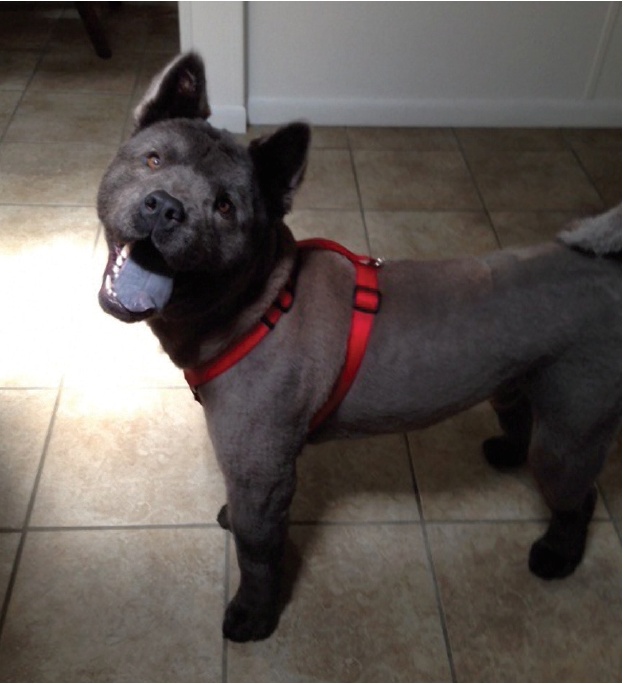
“When we adopted Truman as a puppy he seemed like a robust, healthy dog. I understood that chows have certain health issues and thought I would probably get him health insurance. My veterinarian recommended Trupanion and I signed up.
I brought Truman to Florida, and had him shaved to keep cool. I started to notice his awkward gait and lack of stamina for such a young dog. I still wasn’t quite catching on that there was something seriously wrong with him. We returned from Florida mid-July and after another grooming appointment it was very apparent something was wrong. There was no muscle tone in his hind legs.
I immediately made an appointment with my veterinarian. She saw the same awkward walk and muscle wasting. An x-ray showed the results were “as bad as it gets.” He had a severe case of hip dysplasia, the balls weren’t even near the hip socket.
His first hip replacement went beautifully. He was up and moving very quickly and we actually had to keep him quiet. Tru recently finished his second surgery and his six-week check-up went off without a hitch.
I can’t say enough about Trupanion. They were professional and helpful on the phone. The claims are processed quickly. I have not had to argue a claim or had any claim denied for my baby. If only our human health insurance was that easy. Trupanion has restored my faith by making the process easy so I can concentrate on my beautiful baby.”
–Nancy C., Member since 2013
Long-term care in action: Intervertebral disc disease (IVDD)
IVDD is a common neurological condition, frequently predisposed to breeds like Dachshunds and French Bulldogs. It happens when discs between the vertebrae put pressure on the spinal cord, leading to pain, weakness, or difficulty walking.
Veterinary neurologist Dr. Carrie Jurney explains in our Radio Trupanion “Why Is My Pet Limping?” podcast episode that IVDD often begins with subtle symptoms and can worsen without treatment, making early diagnosis and ongoing management especially important.
Treatment may involve:
- Advanced imaging such as MRI or CT scans
- Medications and strict rest
- Surgery in some cases
- Rehabilitation and physical therapy
- Long-term pain management
Some pets experience recurrence or progression, which can turn IVDD into a long-term condition.
Pickle’s story
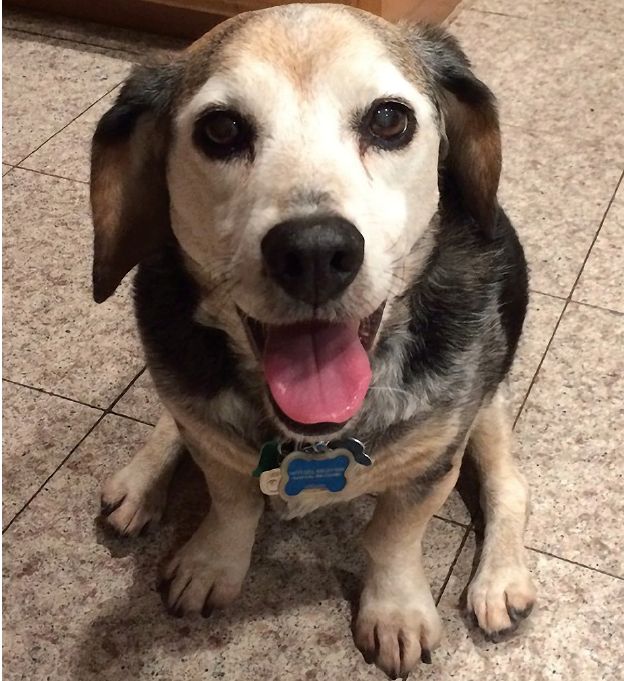
“I would like to thank Trupanion for paying 90% of Pickle’s surgery. I seriously would be working three jobs right now to pay off his medical bills if it wasn’t for them. To Trupanion team members: Thank you for listening. Thank you for providing awesome service. Thank you for being so caring. Thank you for being so patient. Thank you for being so compassionate.
About three weeks after Pickle’s birthday I could tell something was wrong. Pickle had a pinched disc on his neck. He wasn’t able to walk normally and sometimes he would even fall flat on his face. It was a very emotionally difficult and stressful time in my life. I am grateful during this overwhelming time that Trupanion was there to make his medical bills much more bearable.
I did not have to wait long for a representative to help me, listen to what I had to say, and explain everything to me. Claim forms were super easy, there was even a pre-approval form for urgent cases, which Pickle needed for his MRI. Getting money from Trupanion was super fast!
Coming from a health care industry, I know how stressful it can be to work with an insurance company. It was already a very stressful and emotional time for me and I didn’t need any more stress on top of all that. It was such a relief that Trupanion made this process much easier. It didn’t matter how much Pickle’s medical bills were going to be, I was determined to have him healthy again even if I had to get two more jobs to pay for it. Trupanion saved us!
Getting Trupanion pet insurance for Pickle three years ago was one of the best decisions I ever made! As of today, Pickle is 100% recovered. He is running, walking, playing, and happy again. I can’t stop telling everyone the story and that they should get Trupanion if they love their pets!”
–Patty T., Member since 2013
Long-term care in action: Cancer
Cancer is one of the clearest examples of a condition that often requires long-term care. Depending on the type of cancer, treatment can involve multiple phases and ongoing support.
For many cancer type, treatment can include:
- Diagnostic testing such as biopsies and imaging
- Surgery
- Chemotherapy, radiation, or immunotherapy
- Prescription medications and/or supplements
- Monitoring and follow-up care
- Palliative or comfort care
For most pets, cancer care is managed over time, with multiple therapies, follow-up visits, and adjustments as the disease changes. This kind of ongoing care often plays a key role in maintaining comfort, mobility, and quality of life throughout treatment.
Holly’s story
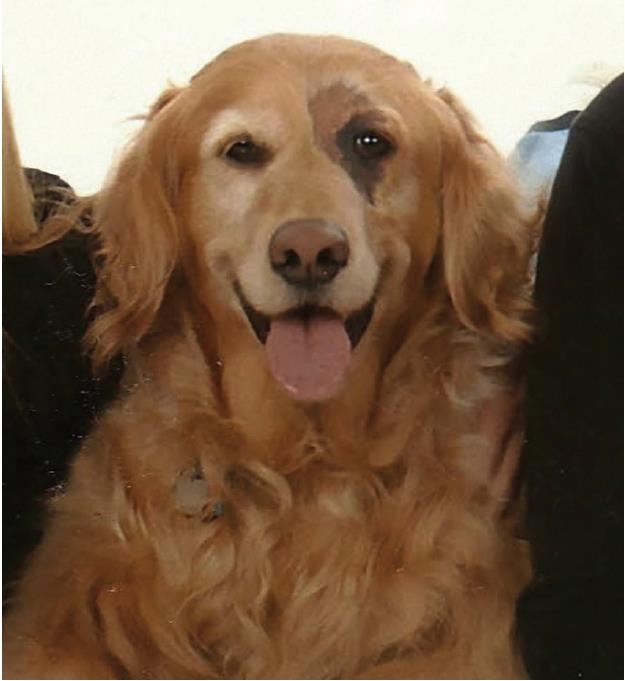
“I have known many dogs in my life but the first one I have ever insured was my current best friend, a golden retriever, Holly. She is six years old and for the last three years has had recurring cancer of the eye.
Through surgeries and weekly trips for radiation treatments we keep helping her fight this disease and Trupanion has been by our side every step of the way. I could go on and on about the great people I’ve talked to with questions, the easy claims process, and the security and peace of mind Trupanion provides— but the most important service Trupanion provides is the amazing turnaround time. It’s unbelievable! They should save the US postal service then move on to solve insurance issues for humans in this country.
These days when every dollar counts and you have to put some funds up front for healthcare for your family, getting that money back quickly is everything to a family’s bottom line.
Not only has Trupanion helped us save our dog’s life but they’ve had our back financially and really helped us emotionally when we were down and increasingly desperate. How do you put a price on that? You can’t. Trupanion has our everlasting thanks and customers for life. We tell everyone we know about Trupanion and enjoy spreading the word about what they do.”
-Chritopher and Anita P., Members since 2011
Why enrolling early matters
Most pet insurance plans won’t cover any pre-existing conditions. Once a pet shows signs of a condition or receives a diagnosis, that condition is typically no longer considered eligible for new coverage.
This is why enrolling your pet with coverage early in their life, before they get sick, can help protect them against the unexpected. Pet insurance is only effective if it’s in place before you need it.
Care that supports quality of life
Long-term care is as much about supporting the quality of life of your pet as it is about treating their condition. From pain management to rehabilitation and monitoring, ongoing care plays a key role in maintaining quality of life for pets with chronic conditions.
Understanding how long-term care works, and how insurance can support it, helps pet parents plan with clarity rather than urgency.
Protect your pet for the long run
Long-term conditions are often unpredictable, but preparation can make them easier to manage.
This is why learning how pet insurance handles chronic care, understanding key policy features, and enrolling early can help to ensure that when long-term care is needed, the focus can stay where it belongs: on your furry friend.
Pet Parenting is the official dog and cat blog of Trupanion, a leader in the world of pet insurance. Here you’ll find useful dog and cat care tips, important veterinary insights, and an abundance of pet lifestyle topics. All of our articles are written by real humans with a love for pets, not AI. However, please note that the views expressed here are those of the individual authors and do not necessarily reflect those of Trupanion. Articles are reviewed by veterinarians for accuracy, but they are not a substitute for professional diagnosis and treatment. Always consult with your own pet’s veterinarian for advice.