Ready to help treat your pet to a healthy life?
Spring Yard Cleanup Pet-Safety Checklist: The Stuff Pets Find First
By : Kathleen Crampton | Published Apr 7, 2026
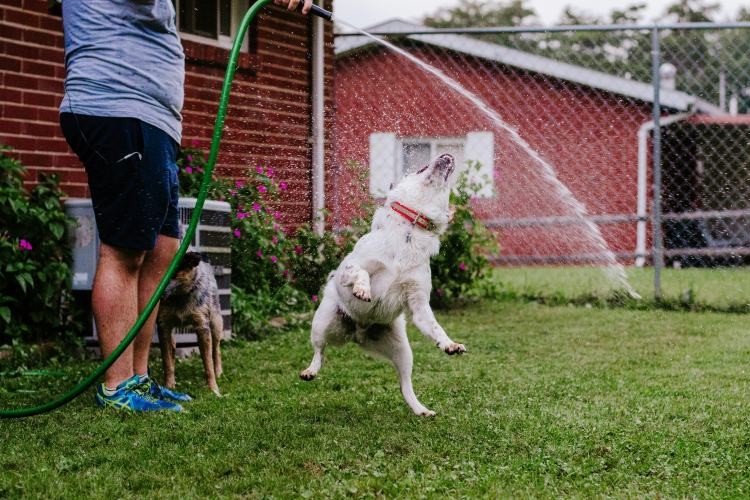
The winter storms have come and gone, and your yard is recovering from the onslaught of precipitation, winds, and other weather. It's likely time to tackle pruning, lawn maintenance, seeding, and more. But when it comes to spring yard cleanup, pet safety is crucial.
You might be thinking, "But my dog is timid, so they likely won't get into anything." The truth is that even the shyest of pets still explore with their noses and mouths and paw at things they're curious about. While puppies and dogs that have a penchant for scavenging may be most at risk, all pups and cats that are allowed outdoors can get into something they shouldn't.
Before letting your dog or cat out into the yard, make sure to follow this step-by-step guide on removing spring yard hazards for pets. Plus, learn what symptoms to watch for if your pet ingests something risky or gets injured and when to call the vet.
How to take care of spring yard hazards for pets
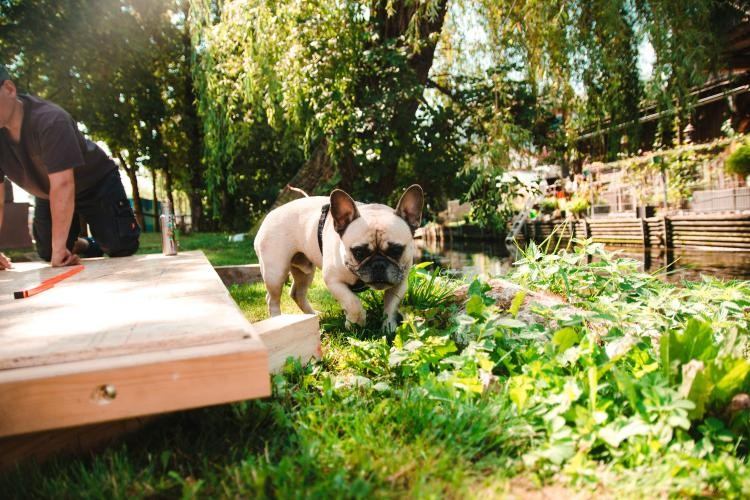
Keep your yard in tip-top shape while protecting your pet with this pet-safe yard checklist.
Clean up leaf and compost piles
As you tend to your yard, you'll likely create piles of leaves, either aiming to clean them up that day or move them into a compost pile or bin. Here's the thing about both leaf and compost piles: They pose a risk to your pet.
- Leaf piles: It might be tempting to allow your pup to jump into a leaf pile, but it's best to leave the cute antics for another situation. Piles of leaves can harbor parasites, bacteria, sharp objects (like small, pointy sticks or thorns), and other items that fell from the trees, such as acorns or pinecones. All of these items can be harmful, either through ingestion or by injury.
- Compost: Never have an outdoor, uncontained compost pile if you have pets, and ensure that any compost bins are locked or in an area that your pet can't reach. As items decompose, it can produce fungi. If eaten by your dog or cat, the fungi's neurotoxins can make them very sick. Compost poisoning in dogs and cats requires immediate veterinary assistance.
Scan for and remove sharp objects
After a season of potentially inclement weather, such as heavy snowfall, rain storms, and high winds, debris can be strewn across your yard. Sharp sticks and rocks are key items to find and remove, but also keep an eye out for any shards of glass or even nails. Perhaps a strong gust of wind knocked over a glass garden art or small nails were left over from a previous fall yard project.
Scan your yard with an eagle eye ensuring that you pick up and throw away any of these risky items that your pet could step on or eat. For instance, if your dog ate a stick in the backyard, they could injure their mouth and throat and even develop an intestinal blockage. If stepped on, these objects could injure their paws.
Keep your pet away from mulch and fertilized soil or grass
Any landscaping elements and treatments need to be on your pet-safe yard checklist. The following are things to be aware of as you prepare your yard for spring planting:
- Mulch: Some mulch is toxic to dogs and cats, particularly cocoa bean mulch because it contains theobromine and caffeine, the same chemical compounds found in chocolate. Dogs and cats can't digest this compound like humans can, so if they ingest cocoa bean mulch, they may develop the same concerning symptoms as if they ate chocolate. While you can opt for other types of mulch, like pine or cedar mulch, remember that pieces of mulch are small and often sharp, so there's a risk of injury or blockage if your pet tries to eat it.
- Fertilized soil and grass: Even if labeled as "safe for pets," most fertilizers shouldn't be ingested by your dog or cat. While the micronutrients aren't inherently unsafe, consumed in large quantities, they can cause major stomach upset. But there are other potential ingredients that can be harmful to your pet, including animal byproducts, ammonia, insecticides, pesticides, and fungicides. Avoid using any treatments for your soil or grass if your furry pal plans on playing outside.
Pull any mushrooms
While you might not think to look for wild mushrooms in your yard, it's important to do so because mushrooms are toxic to dogs and cats. Mushrooms typically pop up after a lot of rain, in humid, moist, and shady spots. Even if you don't live in a necessarily rain-filled region, there's still a chance that some could grow after a particularly wet winter.
Wild mushrooms contain toxins that can cause mild to serious symptoms in pets, depending on the type and amount they consumed. Toxicity symptoms can range from gastrointestinal upset to vomiting and diarrhea, lack of coordination, tremors, or even liver failure. No matter what type of mushroom you think your dog or cat ate, call the vet immediately. Be sure to take a photo of the mushroom and document the approximate time your pet consumed it as well as the amount.
If you see wild mushrooms growing in your yard, take the following steps to remove them safely:
- Wear gloves. Use a shovel or spade to dig around the mushroom. Dig at least 12 inches deep to remove as much of the mushroom as you can.
- Put the dug-up mushrooms in a trash bag, tie it up, then throw it in the trash. Make sure the garbage bin is stowed in an area where pets and kids can't reach it.
Lock your shed and garage
With spring yard cleanup, pet safety also extends to any storage structures you have. You likely store all kinds of items in your shed or garage that pose a risk to your pet, like car fluids, rodent baits, slug/snail baits, ice melts, weed killer, or latex paints. If spilled or licked up by your dog or cat licks, these things could poison your pet.
This doesn't mean you have to get rid of every risky item. Instead, just be sure to keep your pet from sneaking inside as you go in and out, and lock the door behind you every time you leave.
Tips for pet-proofing your yard
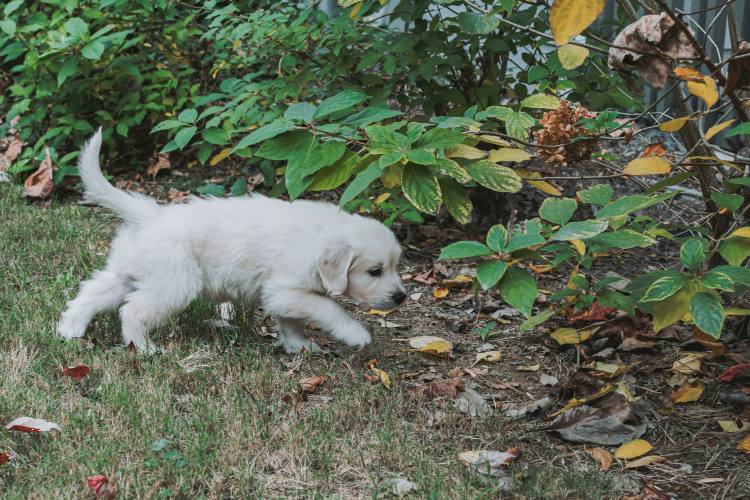
After your spring yard cleanup pet-safety checklist is complete, keep the safety practices going throughout the year. Here are some tips for keeping your pet out of trouble in the yard:
- Scan the yard. Before letting them out for a potty break or to play, scan the yard for any obvious hazards. Remove any sharp objects, piles of leaves, or other risky items before your dog or cat steps outside.
- Watch what you plant. Research what plants and flowers are unsafe for your pets. The ASPCA has a helpful list of toxic and non-toxic plants for animals. You can filter by toxic, non-toxic, dog, and cat.
- Avoid using mulch. Even though there are many pet-safe types of mulch, because each piece poses a choking risk, it's best to avoid mulch altogether.
- Use natural pesticides and fertilizers. Even products that are labeled as "pet safe" might not be safe if accidentally ingested in large quantities. Research natural remedies instead, making sure that those are safe in your pet's presence, too. Follow instructions carefully, as even some natural solutions require pets and/or children to be kept away from the treated area for a certain amount of time.
- Keep garbage and compost out of reach. Some of the smells coming from trash cans and compost bins are enticing to your pet. Make sure that bins are stored in a locked space or gated area so that your dog or cat can't explore.
- Supervise. Even if your yard is spick and span, it's still a best practice to supervise your pet when they're out in the yard. This way, you can see any risky business as it happens.
When to see a vet
So, what if your pet eats something hazardous or gets injured in the backyard? We've put together a helpful guide so that you know when it's time to see the vet.
Issue | Symptoms | When to call the vet | Potential vet treatments |
|---|---|---|---|
Toxic mulch ingestion | Vomiting, diarrhea, panting, racing heart rate, increased urination | Immediately | Induced vomiting, activated charcoal, IV fluids, medications |
Choking on a small object | Gagging, trouble breathing, drooling, frantic, pawing at the mouth | Immediately | Feline or canine Heimlich maneuver |
Parasite from fleas or ticks | Gastrointestinal issues, allergic reactions, certain illnesses, and more | Immediately | Medications, IV fluids |
Compost ingestion or inhalation | Nasal discharge, nosebleeds, sneezing, squinting, weakness, fever, coughing, rapid breathing | Immediately | Antifungal agents, removal of fungal plaques |
Fertilizer ingestion | Vomiting, diarrhea, lethargy, abdominal pain, frequent urination, muscle stiffness, and more | Immediately | Induced vomiting, IV fluids, medications |
Wild mushroom ingestion | Vomiting, diarrhea, excessive drooling, tremors, seizures, lethargy | Immediately | Induced vomiting, activated charcoal, medications |
Basically, if you notice any concerning symptoms in your dog or cat, call the vet or emergency pet clinic immediately. Do not try to take matters into your own hands (for example, trying to induce vomiting), as the veterinarian will know exactly what to do and is trained to provide treatment. In cases of your pet choking, call the vet and have them walk you through how to perform a feline or canine Heimlich maneuver.
It's not fun to consider anything alarming happening to your pet, but it's good to be prepared. One way to prepare for anything is by getting a pet insurance policy, which helps to pay for treatments for your pet in the event of covered illnesses, injuries, and conditions. Check out Trupanion dog or cat insurance, and sign up soon so that they're covered for any of life's mishaps.
Pet Parenting is the official dog and cat blog of Trupanion, a leader in the world of pet insurance. Here you’ll find useful dog and cat care tips, important veterinary insights, and an abundance of pet lifestyle topics. All of our articles are written by real humans with a love for pets, not AI. However, please note that the views expressed here are those of the individual authors and do not necessarily reflect those of Trupanion. Articles are reviewed by veterinarians for accuracy, but they are not a substitute for professional diagnosis and treatment. Always consult with your own pet’s veterinarian for advice.