Ready to help treat your pet to a healthy life?
Is My Cat Stressed Out? How to Tell (and How to Help!)
By : CJ Silvasi | Published Apr 1, 2025
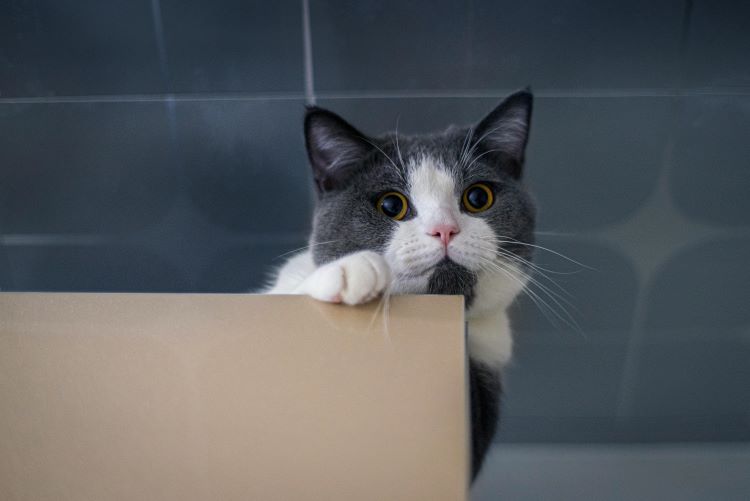
Cats have mastered the art of relaxation, whether they’re soaking up the sun or curled up on the couch. But beneath those seemingly serene whiskers lies a world of potential feline stressors. From changes in their environment to perceived threats, cats can experience stress regularly. And while anxious feelings are unpleasant for anyone, the effects of stress on your cat can lead to long-term issues for their health.
It’s always wise to talk with your veterinarian if you’re concerned about your cat’s stress levels. Many signs of anxiety and stress in cats mimic signs of a variety of health issues, so it’s crucial for your pet’s health to get to the bottom of things. But in the meantime, you’ll want to learn the hidden triggers of feline stress and effective solutions to keep your kitty calm, cool, and collected.
How stress can negatively affect your cat’s health
In addition to the emotional toll stress can take on your cat, prolonged stress can take a toll on their physical health. Some cats exposed to stress can develop serious illnesses like idiopathic cystitis, a condition characterized by bladder inflammation without another identifiable cause. This condition can lead to symptoms such as frequent urination, blood in the urine, and discomfort.
Additionally, prolonged stress in your cat can weaken their immune system. This is thanks to increased levels of cortisol, a stress hormone. If cortisol remains elevated over time, it can effectively impair your cat's immune system to the point that it cannot defend itself normally. This leaves your pet more susceptible to illnesses they would otherwise be able to recover from quickly.
7 signs of stress in cats
Your cat can’t tell you when they’ve had a tough day at the office, nor can they relax it away with a pint of ice cream and binging their favorite show. In fact, you might not be aware your cat is experiencing stress in their daily life at all. Instead, you have to determine the level of stress and anxiety in your cat by monitoring their actions closely.
While behaviors can vary from pet to pet, there are common patterns observed when it comes to feline anxiety and stress. So, once you’re familiar with the signs of stress in cats, you’ll be able to observe it in your cat at home.
1. Urinating outside the litter box
Once a cat is litter trained, they will rarely break that habit, so if your cat is suddenly relieving themselves outside of their litter box, something is amiss. This is your cat’s way of attempting to communicate with you that they are stressed or something else may be wrong.
2. Hiding
Cats under stress will seek comfort. They will likely find a place to hide where they feel safe. Cats in new environments are likely to find a quiet, dark corner until they are comfortable. But, if your normally social kitty is suddenly curled up under your bed and avoiding interaction, they are likely experiencing stress.
3. Increased aggression
Just like in humans, stress can cause a cat to lash out and become aggressive. If your normally placid or loving cat starts showing signs of aggression towards you or other animals in the house, they may be experiencing feline stress.
4. Restlessness
Restlessness in cats can be a clear indicator of feline stress. A stressed-out cat may pace, struggle to settle, or frequently change resting spots. Just all the more reason to pay close attention to your pet and become familiar with their usual mannerisms and daily routine.
5. Increased vocalization
While cats can’t speak in words, they can vocalize their feelings. Increases in meowing or yowling can be a sign that your cat is trying to alert you to stressors in their world.
6. Increased scratching
While scratching is a normal cat activity, excessive scratching is not. So if you notice your cat repeatedly going to their scratching post (or worse, your furniture) stress may be more to blame than simple bad behavior.
7. Changes in appetite
Rarely, a drop in appetite can indicate stress and anxiety in cats. And it may not be so much a change in appetite but a change in when they eat. A cat who is uncomfortable in their environment or stressed out by other pets and people around them may not want to eat out in the open around others. So, they may wait to slink out to their bowl when things are quiet and they are alone.
Observe how often and how much food your cat eats daily. Though they can sometimes suggest stress and anxiety, changes in eating habits may more commonly be initial signals that something may be amiss with your cat’s physical or emotional health.
What causes stress in cats?
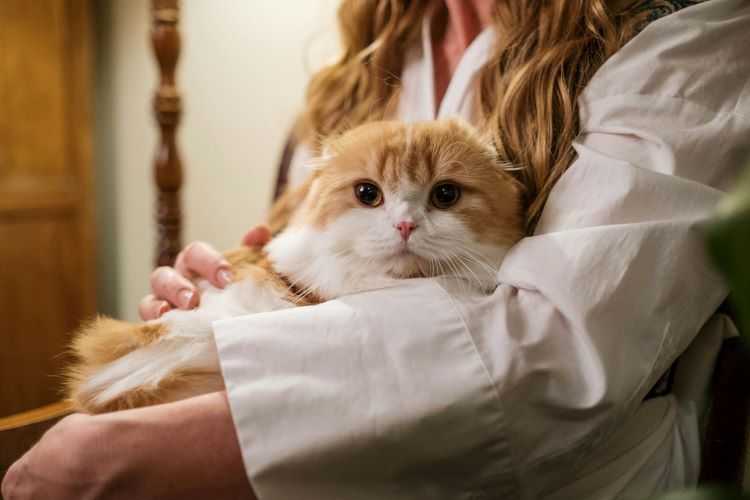
Cats can experience many stressors, both in and out of the home. Certain cat breeds may also just be more susceptible to stress. Loud construction work down the street or even just a dog seen through their favorite window can make your cat anxious if it’s not part of their normal day. Understanding your cat’s routine and comfort level is an important part of identifying what is currently causing your cat stress. Like most animals, cats thrive on routine. If something changes in their day-to-day life, they will likely experience stress from it. Such changes include:
- Visitors (humans or other animals)
- A new pet in the family
- Moving homes
- Loud noises
- Adjustments to their daily schedule
- Grooming or veterinary visits
- Changes in food or kitty litter
- An unclean litter box (cats are naturally tidy creatures!)
Additionally, your cat may experience stress or anxiety due to an incompatibility with other animals in the house. You cannot force animals to get along, but stay alert to your cat’s behavior with the other animals in your home.
You can also try to get ahead of things by introducing new pets properly.
How to help your stressed out cat
Knowing the cause of your cat’s stress is only part of the challenge. You also need to help them relax so they can get back to being their calm, happy self. You can help relieve your cat’s stress by alleviating some of the stressors. If you have visitors, human or otherwise, make sure your cat has a space of their own. They may want to hide in your room until the guests go away. If your visitors are long-term, like a new pet or roommate, make sure your cat has time to adjust to them at their own pace.
One unique way to give your cat their own space is to supply a cat tree or a mix of vertical and horizontal spaces to explore. Environmental enrichment is crucial to keeping your cat stress-free, so be sure to provide plenty of different places they can climb and hang out in. Even just being able to climb up and look down on everything can help your cat avoid the things that are causing them stress. This is especially beneficial for when you have guests over but don’t have a place for your cat to easily hide.
In addition to giving your cat climbing areas, be sure to provide them with plenty of toys. Too many out at once can make your cat anxious, but having a few different kinds out around the home at any given time is a good measure. Treat puzzles can also help prevent stress by working your kitty’s brain and providing them with a tasty reward for “solving” the puzzle.
Is it stress or something else?
The signs we’ve discussed in this article are all symptoms of stress in cats. But they can also be symptoms of other medical issues. If you notice some of these changes after a major life change like a move or a new roommate, the cause may be stress on your cat. However, if they persist or you have not experienced common stressors like those listed above, consider taking your cat to the veterinarian. A physical exam is the best way to eliminate a potential illness as the cause.
Your veterinarian is also a great resource for helping your cat deal with stress. There are herbal remedies that may help calm them during temporary stressors like holidays or fireworks. Depending on your cat’s stress levels and symptoms, your vet may also prescribe pheromones, a prescription diet, or even anti-anxiety medication (in severe cases). So, make sure you speak to your vet during exams about upcoming life changes or other events that could cause your cat to stress out.
Keeping your cat healthy and stress-free
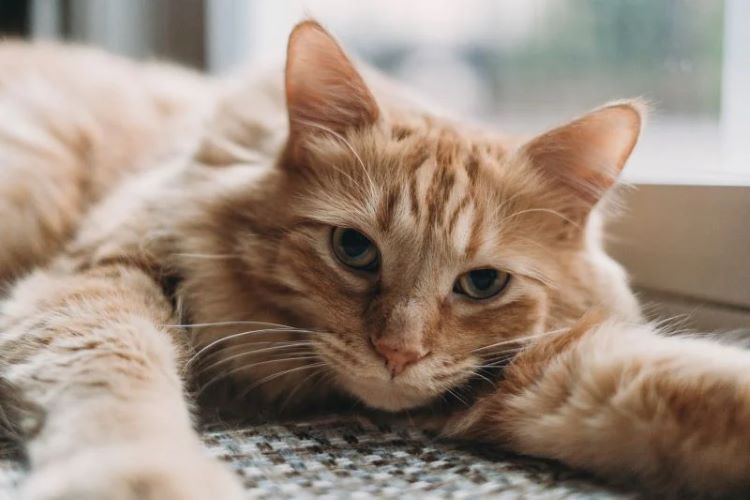
Addressing your cat’s stress and anxiety is an essential part of keeping them healthy and happy. By recognizing the signs, identifying triggers, and implementing stress-reducing strategies, you can help your feline friend feel more secure and comfortable in their environment and improve their overall well-being. A stress-free cat is a happy cat, so take the time to support their needs and enjoy the loving, playful companion they’re meant to be.
Can pet insurance reduce stress?
While your cat likely isn’t stressed about your budget, you probably are. Vet visits, diagnostic tests, and treatments for stress-related illnesses can be costly, but pet insurance can help offset these expenses. With the right cat insurance coverage, you can focus on keeping your feline friend happy and healthy rather than worrying about the financial burden of their care.
Pet Parenting is the official dog and cat blog of Trupanion, a leader in the world of pet insurance. Here you’ll find useful dog and cat care tips, important veterinary insights, and an abundance of pet lifestyle topics. All of our articles are written by real humans with a love for pets, not AI. However, please note that the views expressed here are those of the individual authors and do not necessarily reflect those of Trupanion. Articles are reviewed by veterinarians for accuracy, but they are not a substitute for professional diagnosis and treatment. Always consult with your own pet’s veterinarian for advice.